

.jpg)
Design is no longer just about creativity - it’s about precision, speed, and intelligence. In 2025, AI-powered design tools are rewriting how we brainstorm, prototype, and execute. Whether you’re a solo designer, a startup founder, or a creative director, mastering the right software design tools can mean the difference between blending in and breaking through.
Let’s explore the ultimate list of tools that empower modern creators to think bigger, design smarter, and deliver faster.
Before going deeper into the next section, you can refer to ai content software to support your work.
1. Introduction: The Art and Science of Design Tools
The digital design industry has transformed dramatically over the past decade. Once dominated by desktop software and manual workflows, today’s designers rely on an ecosystem of cloud-based and AI-enhanced tools that streamline every step - from brainstorming to production.
In 2025, design tools aren’t just creative assistants; they are full-fledged collaborators. These platforms automate repetitive tasks, generate visual ideas, and support real-time collaboration among global teams. From UX prototypes to brand visuals, these tools bridge the gap between creativity and productivity, helping businesses deliver designs that captivate audiences and drive measurable results.
2. Understanding Design Tools
2.1 What Are Design Tools?
Design tools are software platforms that help users create, edit, and manage visual, digital, or interactive content. They range from graphic and web design applications to prototyping, animation, and 3D modeling software.
2.2 Key Features That Define Great Design Software
The best tools share several traits: intuitive interfaces, scalability, collaborative features, AI assistance, and integration with popular platforms like Adobe, Slack, or Figma.
2.3 The Role of AI in Modern Design Tools
AI is reshaping how designers work. From AI color palette generators to auto-layout tools and intelligent content creation, automation now plays a pivotal role in creative workflows. These advancements allow designers to focus more on strategy and storytelling - and less on pixel-perfect manual labor.
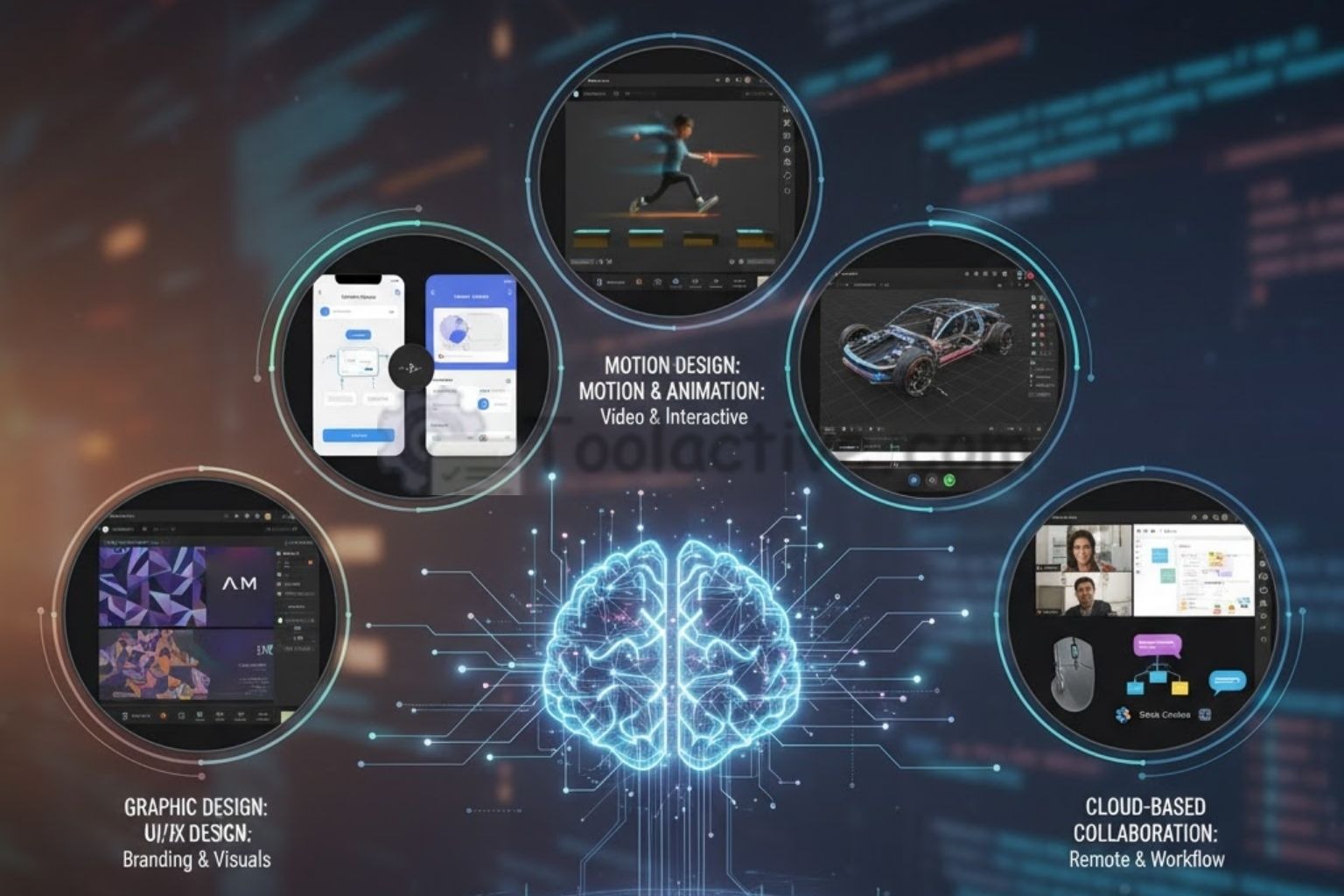
2.4 Categories of Design Tools
-
Graphic Design Tools – For branding, visuals, and marketing assets.
-
UI/UX Design Tools – For wireframes, interfaces, and app prototyping.
-
Motion & Animation Tools – For video, transitions, and interactive media.
-
3D & Product Design Software – For visualization and modeling.
-
Cloud-Based Collaboration Tools – For remote teams and workflow management.
3. User Persona & Use Cases
3.1 Freelance Designers
Need fast, affordable, all-in-one tools for multiple clients and brand styles.
3.2 Agencies & Creative Teams
Prioritize team collaboration, feedback loops, and workflow integration.
3.3 Developers & Product Teams
Use design software for wireframing, prototyping, and UI testing.
3.4 Marketers & Brand Managers
Depend on tools for consistency across campaigns, ads, and social media visuals.
3.5 Students & Beginners
Require intuitive, low-cost tools to learn professional design without the complexity.
4. Top Graphic Design Tools in 2025
4.1 Adobe Creative Cloud – The Industry Titan
Adobe Creative Cloud continues to stand as the gold standard for creative professionals worldwide. Its ecosystem - anchored by powerhouse tools like Photoshop, Illustrator, and InDesign - defines what’s possible in modern visual design and content creation. From graphic design and branding to motion graphics and digital publishing, Adobe’s suite provides everything creative teams need under one connected platform.
With the introduction of AI-driven features like Adobe Firefly, the brand has taken another major leap forward. Firefly allows users to generate high-quality images from text prompts, effortlessly remove backgrounds, and apply smart retouching tools that streamline production time. Combined with seamless cross-platform synchronization through Adobe Creative Cloud, designers can start a project on one device and continue it anywhere with no friction.
Best for: Professional designers, creative agencies, and large marketing departments seeking industry-level performance and collaboration tools.
Pros: Deep integrations across Adobe’s ecosystem, unmatched creative power, and reliable cloud syncing.
Cons: Premium pricing and a steep learning curve make it less ideal for beginners or small teams.
4.2 Canva – Design for Everyone
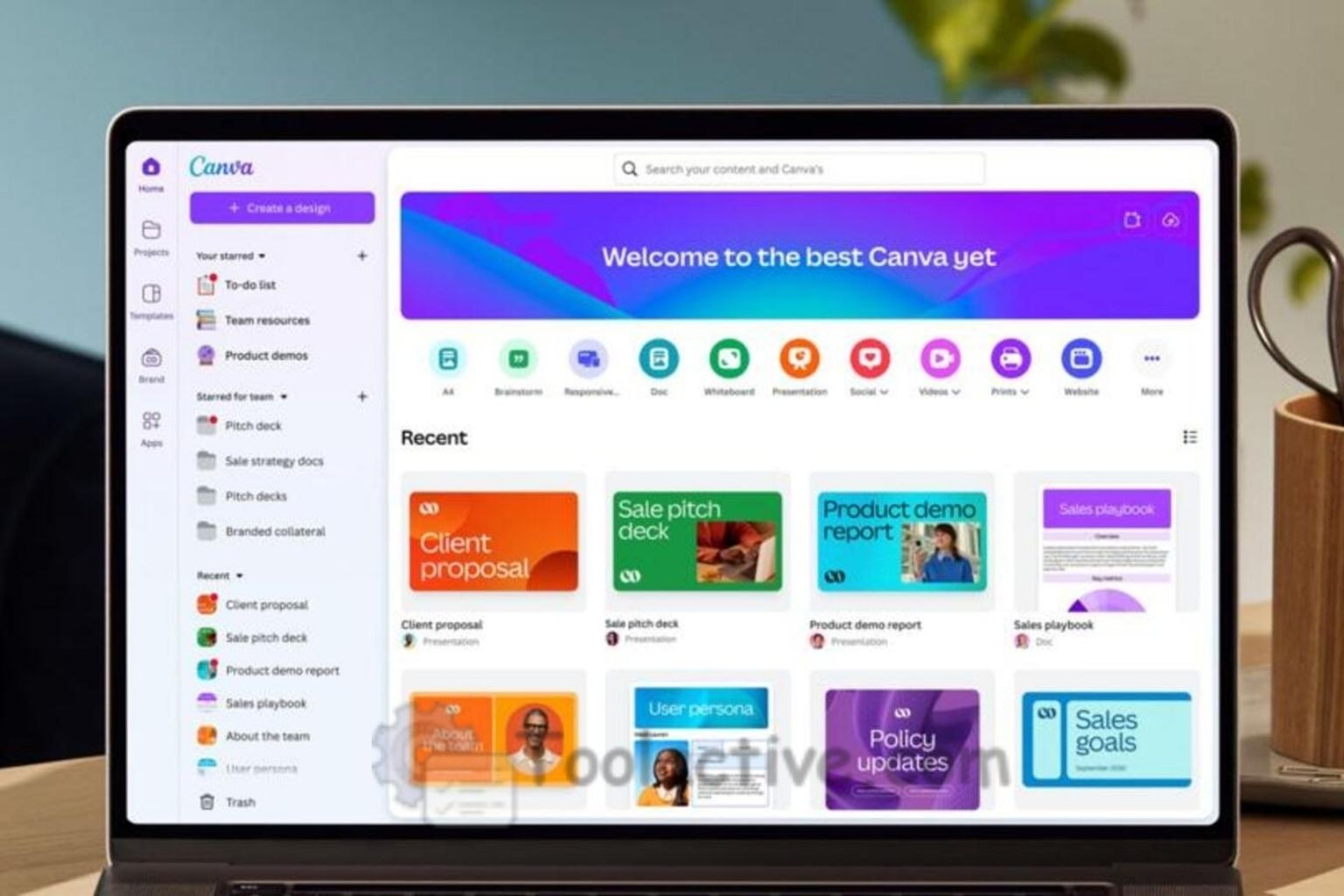
Canva continues to democratize design by making professional-level visual creation accessible to everyone, regardless of experience. Its intuitive drag-and-drop interface allows users to build stunning marketing assets, social media posts, presentations, and even short videos within minutes. The platform’s massive library of templates, fonts, icons, and stock media ensures that anyone can produce visually appealing designs without needing advanced software skills.
In recent years, Canva has evolved into an AI-powered creative hub. Features like Magic Design and AI-assisted content generation provide instant layout suggestions and brand-aligned visuals, helping marketers and content creators speed up their workflow. Collaboration tools also make it easy for teams to co-create designs, provide feedback, and maintain consistent branding across all campaigns.
Best for: Small businesses, social media managers, content creators, and non-designers who need quick, professional results.
Pros: Easy to use, template-rich, cost-effective, and great for collaboration.
Cons: Limited flexibility for complex or highly customized design projects.
4.3 Figma – The Collaboration King
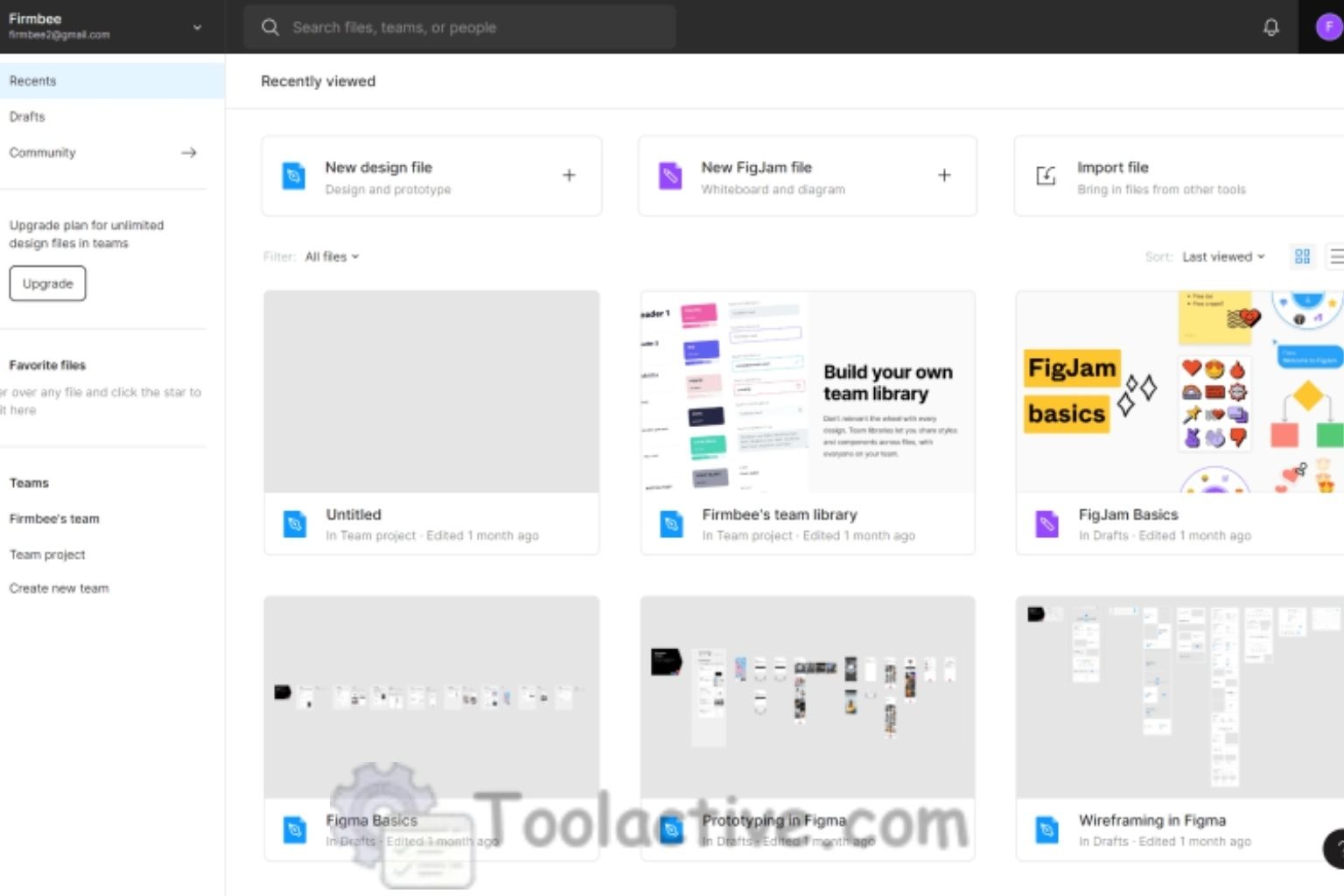
Figma has redefined interface and product design by placing collaboration at the core of its platform. Unlike traditional design tools, Figma operates entirely in the cloud, allowing multiple designers, developers, and stakeholders to edit, comment, and prototype in real time - no downloads or version conflicts required. This live collaboration model has transformed how teams design digital products, fostering creativity and speed across distributed teams.
Beyond collaboration, Figma’s power lies in its component system and design tokens, which ensure brand and UI consistency across large-scale projects. The platform’s new AI-assisted tools go even further - auto-suggesting layouts, correcting alignment, and accelerating prototyping through intelligent automation. Whether for web, mobile, or complex app interfaces, Figma streamlines the entire workflow from wireframe to final handoff.
Best for: Product design teams, UI/UX developers, and startups building user-centric digital experiences.
Pros: Cloud-based collaboration, version control, cross-platform access, and constant feature innovation.
Cons: Requires a stable internet connection; performance may slow with complex or large files.
4.4 Affinity Designer – The Adobe Alternative
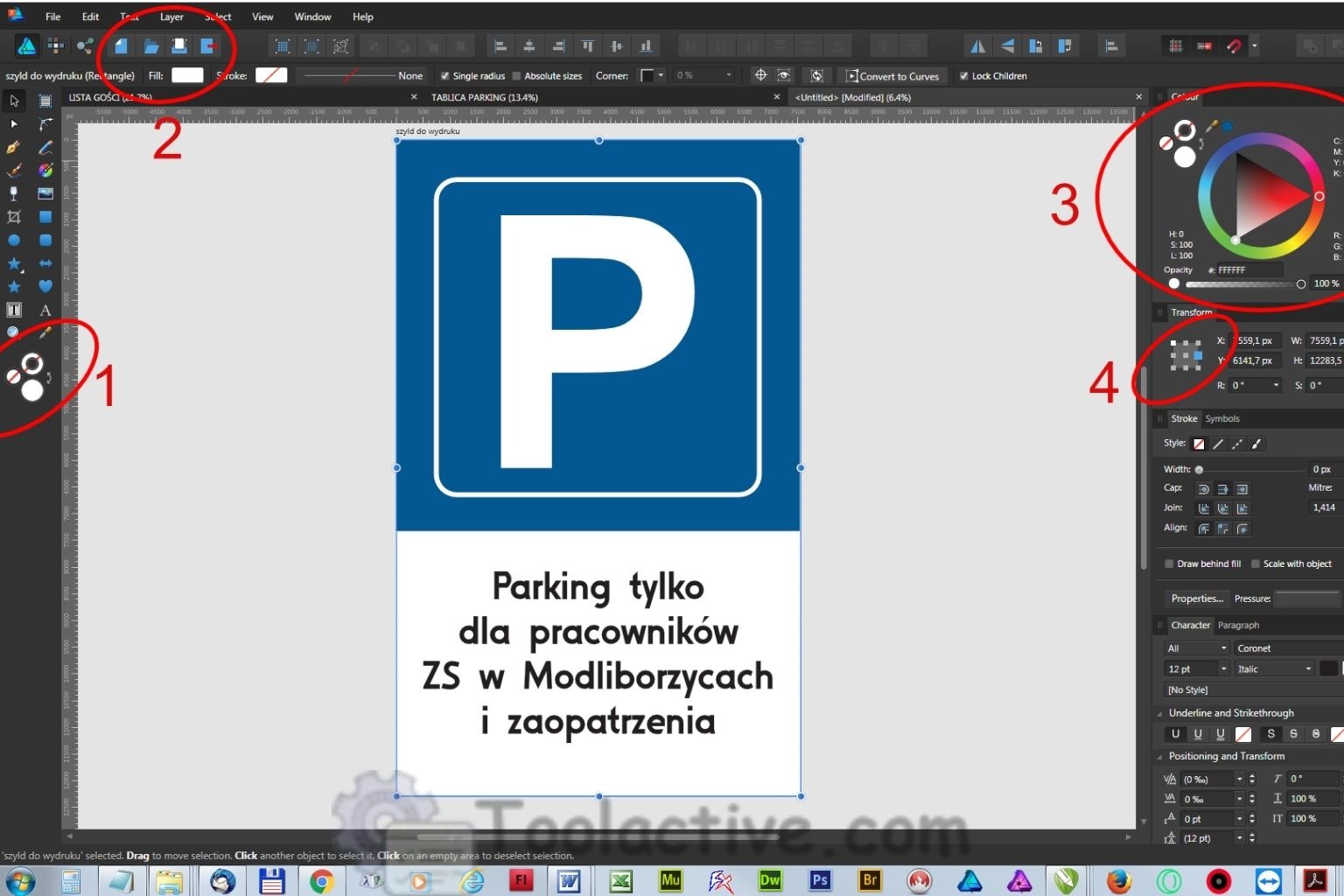
Affinity Designer stands out as a powerful, one-time-purchase alternative to subscription-based vector design tools. Designed for professionals who prefer working offline, it offers a sleek, high-performance environment that handles everything from logo creation and illustration to detailed UI mockups. With lightning-fast rendering and an intuitive interface, it provides a professional-grade experience without the ongoing monthly costs that come with larger software ecosystems.
The tool’s precision and responsiveness make it particularly appealing to illustrators and freelancers who value control and stability in their workflow. While it lacks real-time collaboration features and has a smaller plugin ecosystem compared to competitors like Adobe or Figma, Affinity Designer delivers impressive power for solo creators and small teams who want full ownership of their tools.
Best for: Freelancers, small creative agencies, illustrators, and independent designers.
Pros: Fast rendering, affordable one-time payment, robust offline mode.
Cons: Limited collaboration tools and plugin support; smaller community compared to major cloud-based platforms.
4.5 CorelDRAW – Legacy Meets Modern Design
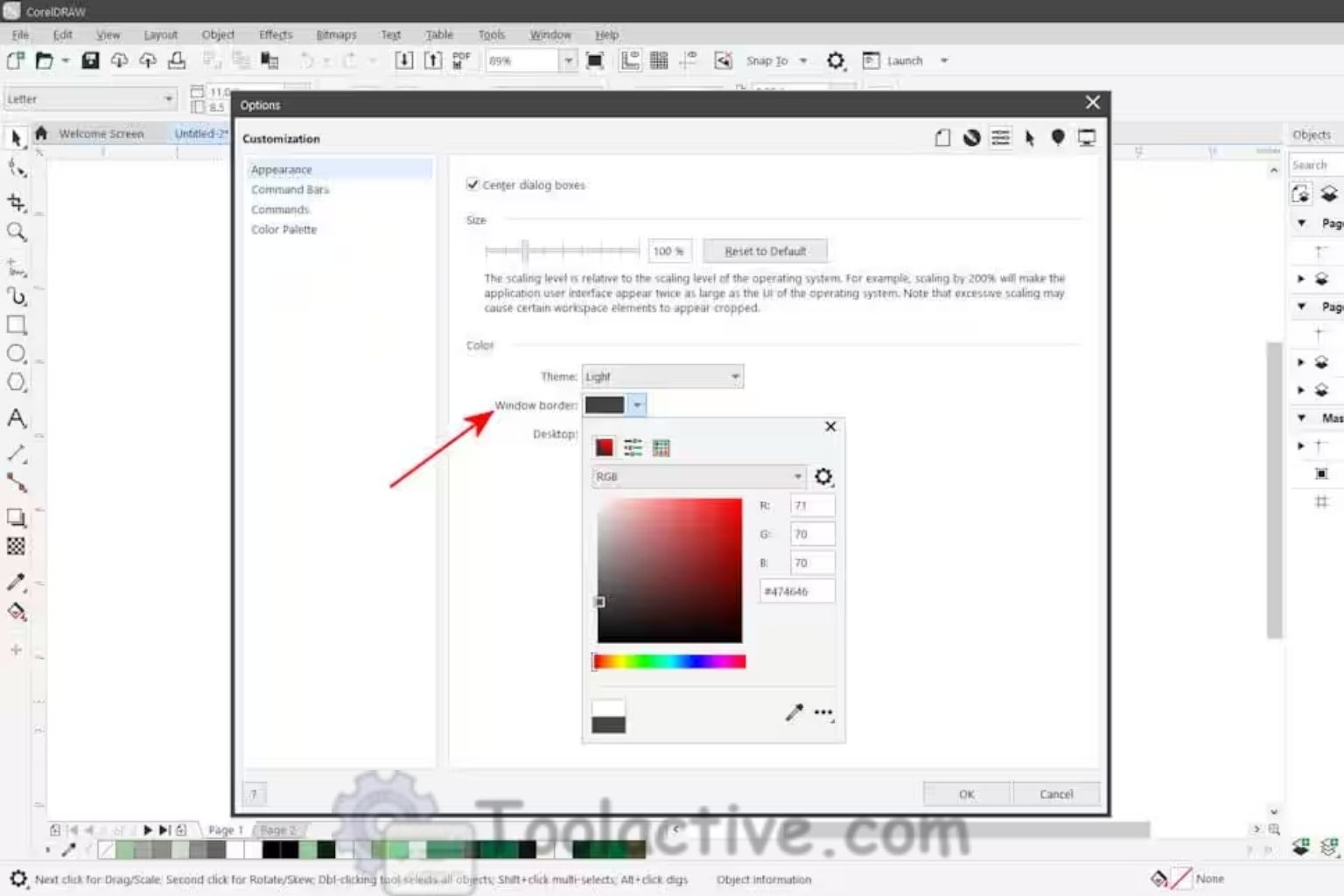
CorelDRAW remains a powerhouse in the world of vector graphics, maintaining its reputation as a trusted tool for print and brand design professionals. Its comprehensive suite offers designers the flexibility to craft everything from detailed logos and packaging to large-scale signage and digital artwork. Known for precision and control, CorelDRAW’s workspace and vector handling tools have long made it a favorite among print specialists who demand accuracy down to the pixel.
Recent updates have kept the platform relevant in the modern creative landscape. AI-powered tools now enhance tracing accuracy, image upscaling, and typography management, reducing manual effort and improving visual consistency across projects. CorelDRAW’s focus on print-ready output and color management makes it especially valuable for brand studios and agencies handling high-volume or color-sensitive materials.
Best for: Print designers, branding professionals, and studios specializing in logos, packaging, and visual identity systems.
Pros: Precise vector tools, excellent print preparation features, strong performance for detailed design work.
Cons: User interface feels dated compared to newer competitors; collaboration features remain limited.
5. Best Software Design Tools for UI/UX
5.1 Adobe XD – Seamless Prototyping
Adobe XD brings together the precision of Adobe’s ecosystem with intuitive tools for wireframing, prototyping, and testing user interfaces. Designers can easily create interactive experiences for web and mobile, complete with transitions, animations, and even voice interactions. Its deep integration with Photoshop, Illustrator, and After Effects allows assets to flow seamlessly across projects. Collaboration features such as shared prototypes and live comments help streamline the feedback process within teams.
Best for: UX/UI designers, digital product teams, and Creative Cloud users.
Pros: Seamless Adobe integration, advanced prototyping, voice support.
Cons: Limited plugin support; updates have slowed compared to competitors.
5.2 Sketch – Streamlined for Mac
Sketch remains a favorite among Mac-based designers thanks to its clean interface and plugin-driven flexibility. Built with simplicity and performance in mind, Sketch allows UI/UX designers to create detailed layouts, design systems, and scalable prototypes efficiently. Its rich plugin ecosystem expands functionality-covering everything from animation tools to design handoff integrations-making it easy to tailor workflows to any project.
With real-time collaboration and shared libraries, teams can maintain consistent design systems across projects while minimizing version confusion. Sketch’s intuitive layout and efficient vector tools make it ideal for both freelancers and in-house product teams.
Best for: Mac users, UI designers, and teams maintaining scalable design systems.
Pros: Lightweight, plugin-rich, and well-optimized for Mac.
Cons: macOS-only; limited cloud collaboration compared to Figma.
5.3 InVision – Collaboration and Feedback in One Place
InVision is designed to bridge the gap between designers, developers, and stakeholders. It excels at providing a centralized space for prototyping, version control, and client feedback, making it a favorite among agencies and enterprise design teams. InVision’s Freehand whiteboard feature supports brainstorming, journey mapping, and real-time collaboration, all in one workspace.
The platform’s robust commenting and inspection tools make design-to-development handoff smooth, ensuring visual and functional accuracy from concept to launch. Integrations with Figma, Sketch, and Photoshop enhance workflow flexibility, allowing InVision to act as a powerful collaboration hub rather than just a prototyping tool.
Best for: Design agencies, product teams, and collaborative workflows.
Pros: Strong collaboration tools, integrated feedback system, Freehand whiteboard.
Cons: Slower performance with complex prototypes; relies heavily on internet connectivity.
5.4 Axure RP – Professional Prototyping Powerhouse
Axure RP is built for UX professionals who need depth and interactivity in their prototypes. Unlike lightweight wireframing tools, Axure allows designers to create dynamic prototypes with conditional logic, variables, and data-driven interactions-making it ideal for testing real user flows and complex systems before development.
Its strong emphasis on documentation and interaction mapping makes it especially useful for enterprise UX teams and researchers. Axure’s ability to simulate realistic behaviors helps stakeholders visualize advanced user scenarios, reducing miscommunication during development.
Best for: UX researchers, enterprise design teams, and advanced interaction modeling.
Pros: Robust logic and prototyping capabilities, detailed documentation tools.
Cons: Steeper learning curve; interface feels dated compared to newer design tools.
If you want to explore more automation support tools, you can see the list of best trading tools software.
6. AI-Powered Design Tools Transforming the Industry
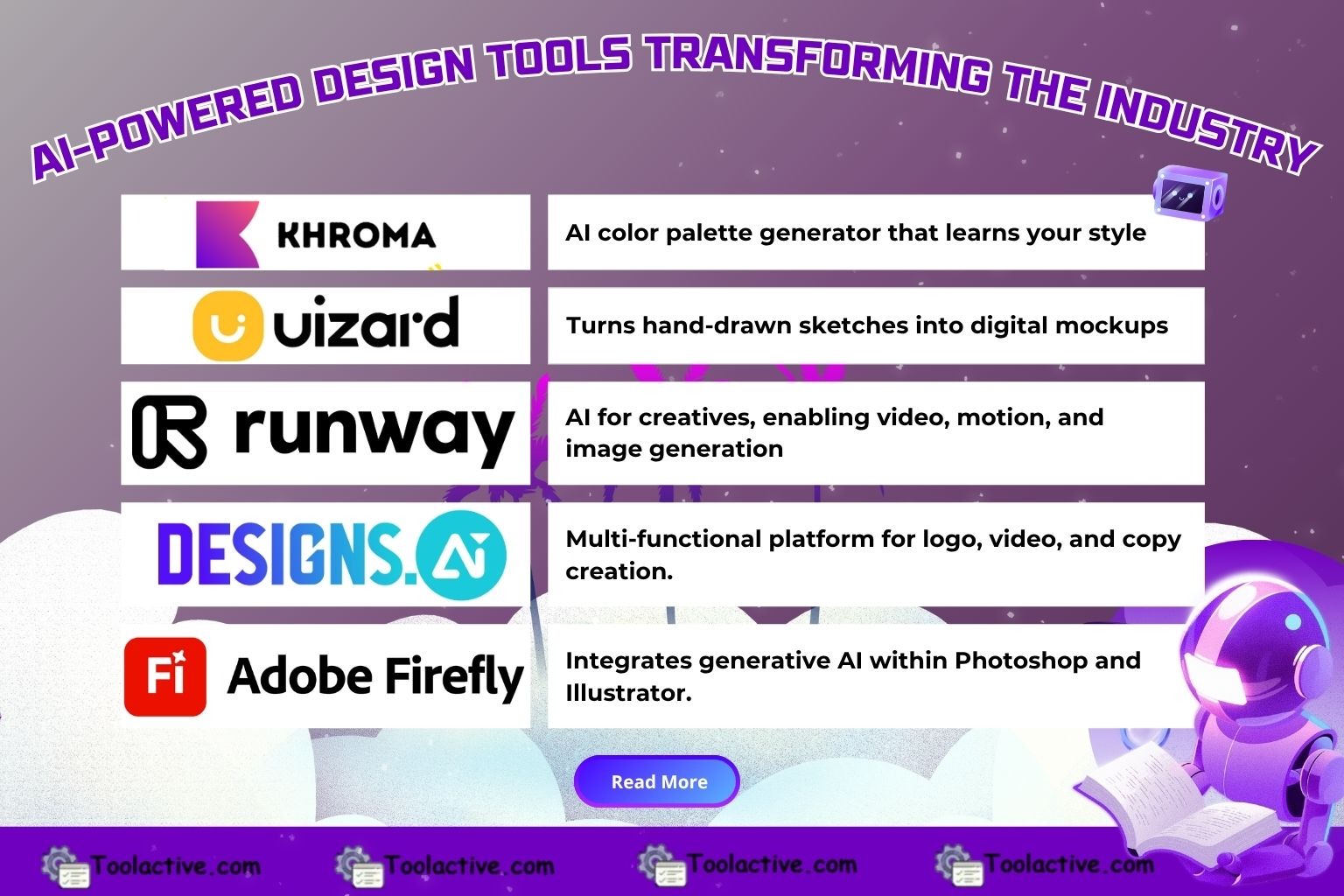
The creative industry is undergoing a major transformation thanks to AI-powered design tools. These platforms are helping designers, marketers, and content creators streamline workflows, reduce repetitive tasks, and generate high-quality visuals in a fraction of the time. By leveraging AI, teams can move from concept to execution faster, turning hours of manual iteration into minutes of ideation.
6.1 Khroma – Personalized Color Palette Generator
Khroma uses AI to learn your unique design style and color preferences, generating personalized color palettes that are consistent and visually appealing. It’s a great tool for designers seeking inspiration or aiming to maintain cohesive branding across projects.
Best For: Graphic designers, branding specialists, and marketers looking for consistent color schemes.
Pros: AI learns your style, generates unlimited palettes, fast and intuitive.
Cons: Limited to color generation, no layout or asset creation.
6.2 Uizard – From Sketch to Digital Mockup
Uizard converts hand-drawn sketches and wireframes into interactive digital mockups, bridging the gap between initial ideas and functional prototypes. Its AI understands layout structures, components, and text placement, allowing rapid iteration and design exploration.
Best For: UX/UI designers, product teams, and early-stage startups.
Pros: Converts sketches to interactive prototypes, speeds up ideation, easy to use.
Cons: May require refinement for complex designs.
6.3 Runway ML – AI for Video, Motion, and Image Creation
Runway ML empowers creatives to generate images, video effects, and motion graphics using AI. From removing backgrounds to generating entirely new visuals, it accelerates post-production and content creation for marketing, social media, and entertainment projects.
Best For: Video editors, motion designers, and content creators.
Pros: Powerful AI generation tools, multi-media support, simplifies complex editing.
Cons: Can have a learning curve for advanced features.
6.4 Designs.ai – Multi-Functional Creative Platform
Designs.ai offers an all-in-one solution for logo design, video production, and copywriting. Its AI tools help users quickly generate marketing assets, ensuring stylistic consistency and brand alignment without extensive manual work.
Best For: Small businesses, marketers, and startups needing fast, versatile creative assets.
Pros: Multi-functional, quick output, user-friendly interface.
Cons: Limited customization for high-end creative professionals.
6.5 Adobe Firefly – Generative AI for Creative Cloud
Adobe Firefly integrates generative AI directly into Photoshop, Illustrator, and other Creative Cloud apps, enabling designers to create images, effects, and assets from text prompts. It enhances traditional workflows, making repetitive tasks like background removal, retouching, and image generation faster and smarter.
Best For: Professional designers, agencies, and marketing teams embedded in Adobe’s ecosystem.
Pros: Deep integration with Creative Cloud, powerful AI-assisted features, high-quality outputs.
Cons: Requires Adobe subscription, steep learning curve for beginners.
AI-powered design tools like these are reducing creative friction, helping designers and marketers generate ideas, visuals, and prototypes faster than ever. Whether for color palettes, digital mockups, videos, or full-scale brand assets, AI is accelerating creativity and empowering teams to focus on strategic and conceptual work rather than repetitive tasks.
7. Collaboration & Workflow Tools for Designers
Cloud-based tools like Miro, Notion, and Asana streamline communication and project management.
-
Miro: Visual brainstorming boards.
-
Notion + Figma: Keep documentation and designs aligned.
-
Frame.io: For video review and feedback cycles.
These integrations keep teams in sync across design, development, and content creation.
8. Design Tools by Specialty
-
Motion Design: After Effects, Blender, Cinema 4D.
-
3D Visualization: SketchUp, Autodesk Maya, Rhino.
-
Web Design: Webflow, Framer, WordPress block editors.
-
Logo Design: Looka, Tailor Brands, Hatchful.
Each category caters to specific creative needs, offering flexibility and specialization.
9. How to Choose the Right Design Tool
-
Define your goals - branding, UX, animation, or product.
-
Assess your team’s skills and technical comfort.
-
Prioritize collaboration and version control.
-
Evaluate pricing vs. scalability.
-
Consider integration with other tools in your workflow.
10. Expert Insights & Real-World Recommendations (By Jason Miller)
As someone who’s spent over five years testing hundreds of creative platforms, I can tell you - not every design tool fits every team.
When I managed large-scale campaigns, Figma was irreplaceable for team collaboration. For solo branding projects, Affinity Designer delivered power without subscription costs. And when speed mattered most, Canva became my secret weapon for rapid deployment.
Today, I recommend blending tools:
-
Figma + Notion for digital product teams.
-
Canva + Photoshop for marketing teams.
-
Uizard + Firefly for startups exploring AI-driven design.
The future isn’t about replacing designers with AI - it’s about empowering them with smarter tools.
11. Future Trends in Design & Software Development
-
Generative Design: AI-driven content suggestions.
-
Cloud Collaboration: Real-time remote teamwork.
-
Ethical AI Use: Fairness and transparency in generative design.
-
Sustainable Design: Energy-efficient workflows and assets.
12. Recommended Free & Freemium Design Tools
-
Canva Free
-
Figma Starter Plan
-
GIMP
-
Blender
-
Gravit Designer
These tools make professional design accessible to everyone.
Explore meeting Lodgify
13. Conclusion
The best design tools of 2025 combine creativity, automation, and collaboration. Whether you’re shaping a brand identity, designing an app interface, or animating a 3D product demo, there’s a perfect blend of tools waiting for you.
At ToolActive, our mission is to help designers find, compare, and master the right platforms. We believe the future of design lies not in more complexity - but in smarter simplicity.
Your next great design isn’t drawn - it’s designed smarter.




.jpg)