

.jpg)
1. Introduction
AI marketing tools have become the backbone of modern marketing — driving personalization, efficiency, and automation across campaigns. Whether you’re crafting content, running ad campaigns, or managing analytics, artificial intelligence now powers every stage of the marketing funnel.
This article, written by Jason Miller and published on Toolactive, reviews the 20 best AI marketing tools tested in 2025 for real-world performance. Each tool has been analyzed for usability, integration, and ROI.
AI tools in marketing are transforming content, ads, and analytics faster than ever — enabling marketers to scale their efforts without sacrificing creativity or accuracy.
Before going deeper into the next section, you can refer to best ai marketing tools to support your work.
2. What Are AI Marketing Tools?
AI marketing tools are intelligent platforms that use machine learning and natural language processing to help marketers automate and optimize tasks such as copywriting, SEO, email campaigns, ad targeting, and analytics.
These tools work by processing data at scale, identifying patterns, and delivering actionable insights that improve campaign outcomes. They enhance personalization, reduce manual workloads, and provide predictive intelligence to guide better marketing decisions.
In 2025, AI tools in marketing are no longer optional — they’re essential to every successful e-marketing strategy, from social media scheduling to competitive analysis.

3. How We Tested and Reviewed These Tools
All tools listed below were tested and reviewed by Jason Miller using Toolactive’s verified evaluation framework. Each platform was tested through demo campaigns, real marketing workflows, and integration setups to assess their effectiveness across five dimensions:
-
Usability & learning curve
-
Integration with CRMs and ad platforms
-
Pricing transparency and value
-
AI output accuracy
-
Scalability for marketing teams
These tests ensure you get an authentic understanding of how each AI marketing tool performs in professional environments.
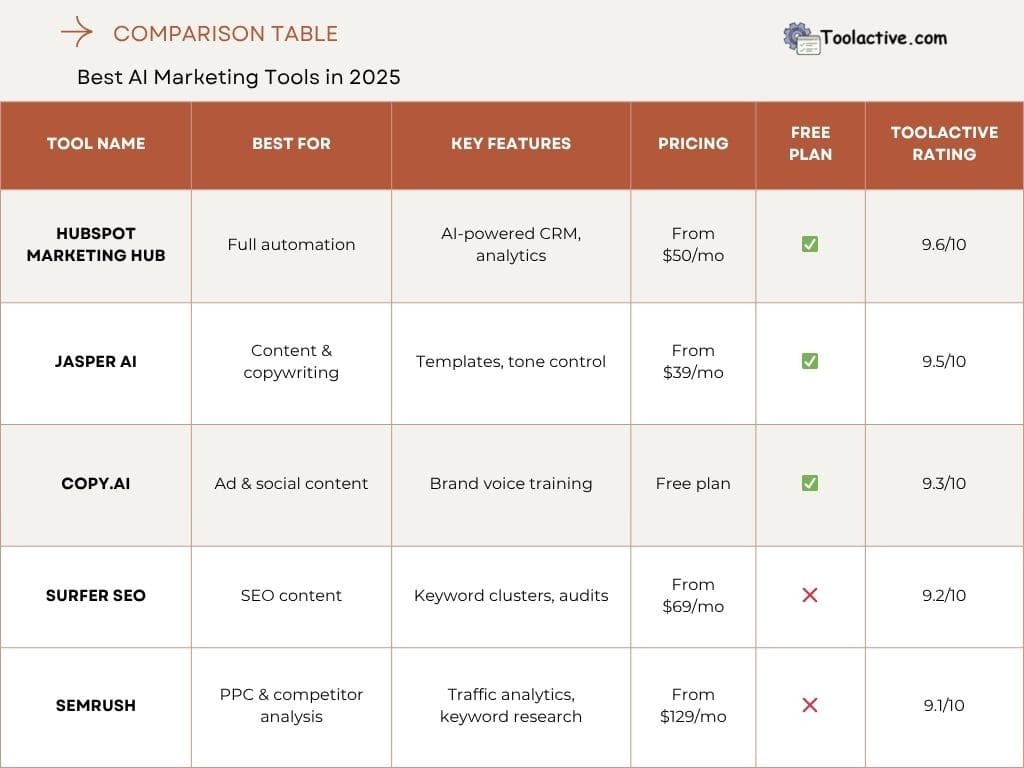
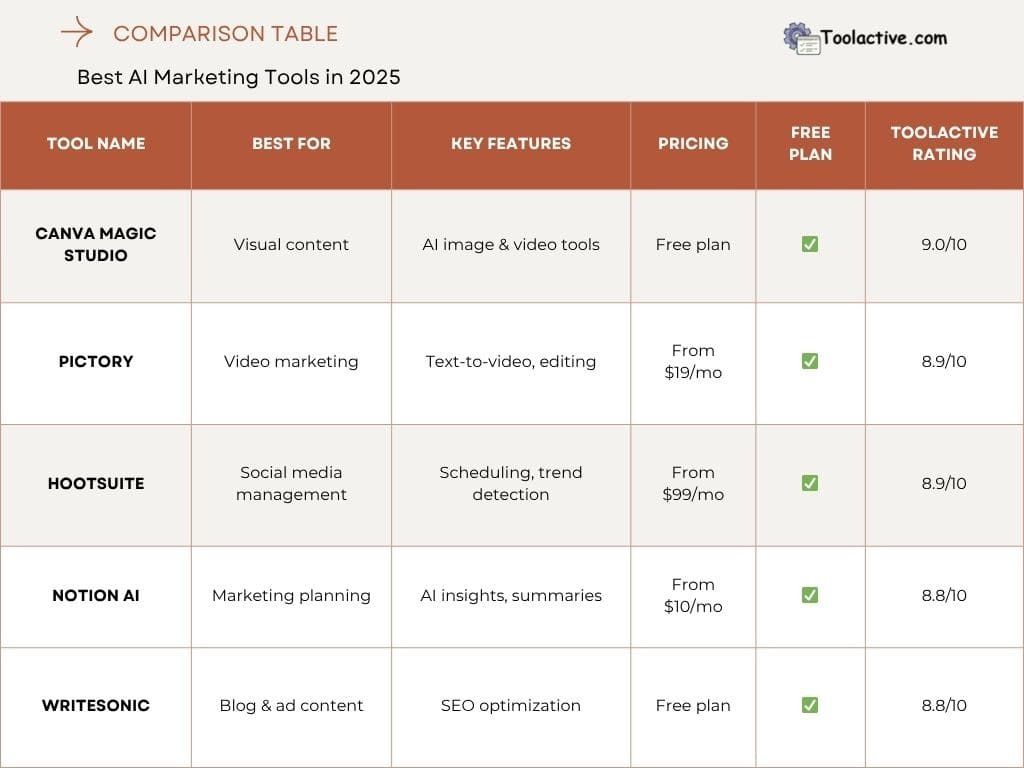
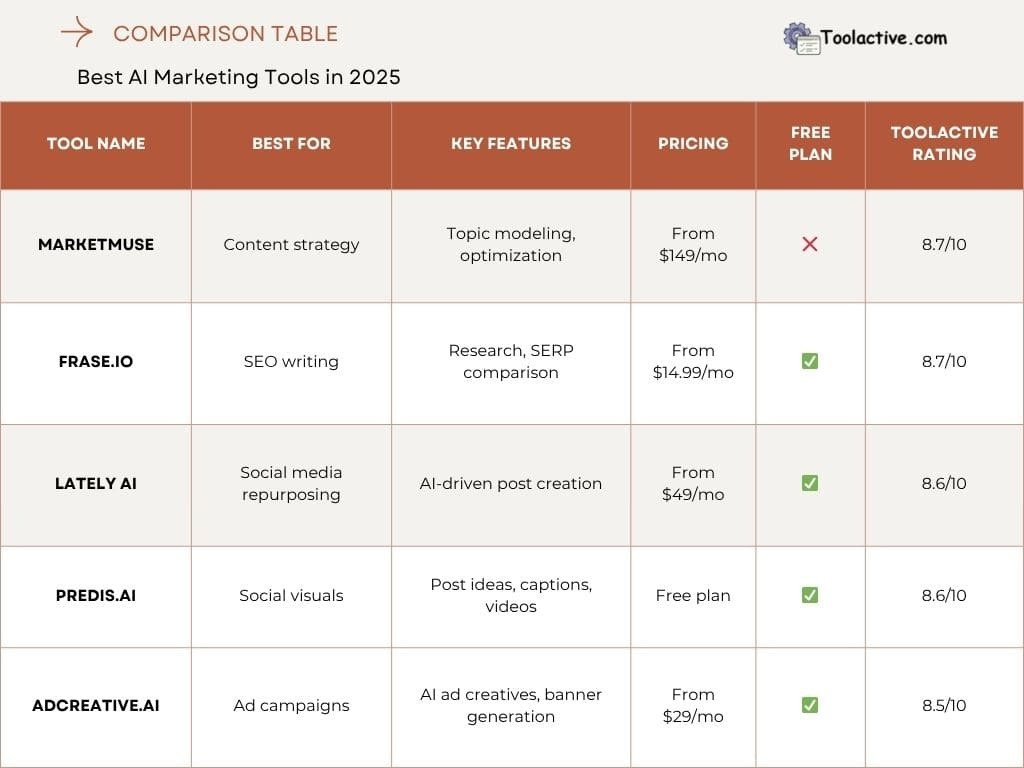
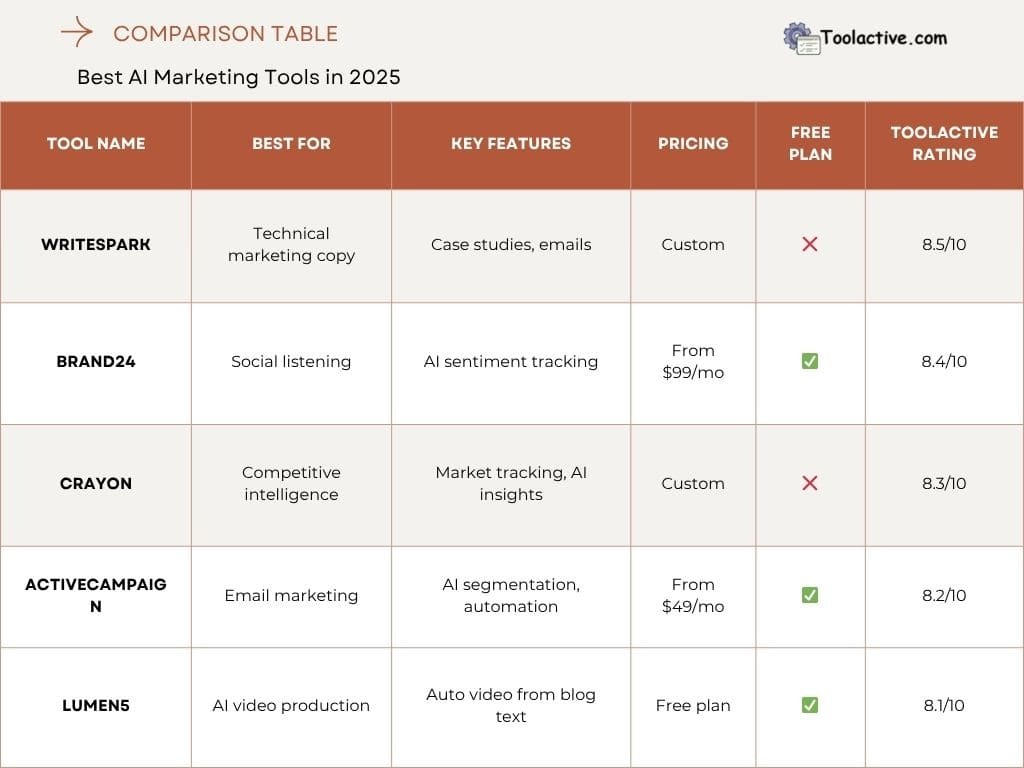
4. Comparison Table: Best AI Marketing Tools in 2025
5. In-Depth Reviews: 20 Best AI Marketing Tools
1. HubSpot Marketing Hub – Best Overall AI Marketing Platform
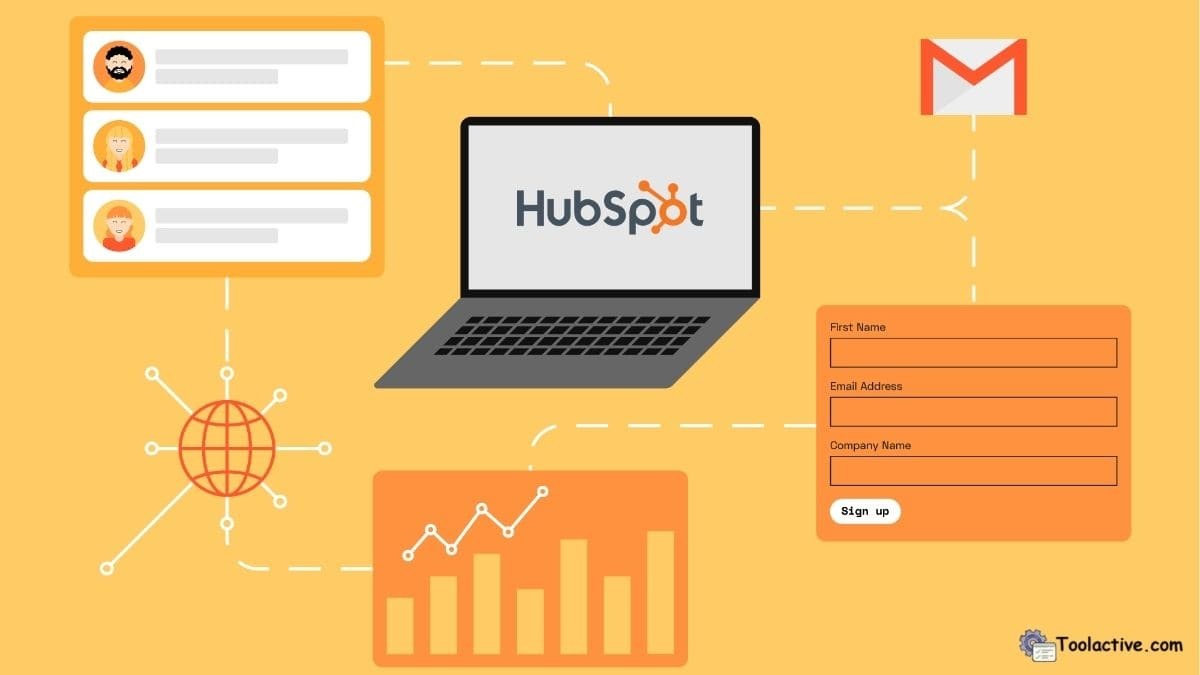
HubSpot integrates marketing automation, CRM, and AI analytics in one dashboard. It predicts campaign outcomes, automates lead nurturing, and provides smart insights into performance metrics.
Pros: Powerful automation and all-in-one integration.
Cons: Expensive for startups.
Best For: Enterprises and agencies.
How to Use: Start with the Marketing Hub dashboard and connect your CRM data to automate workflows.
2. Jasper AI – Best AI for Content Creation
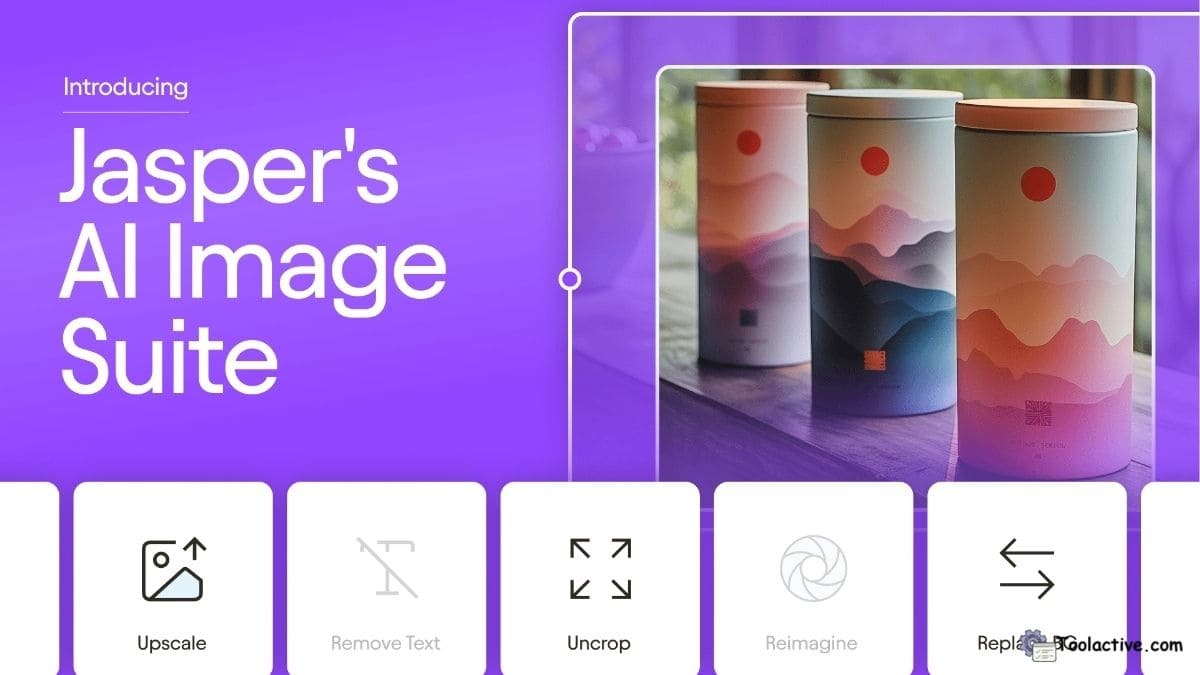
Jasper’s AI-driven copywriting engine creates marketing copy, ad scripts, and blog posts with brand tone consistency.
Pros: Excellent tone control and templates.
Cons: Some outputs need editing for nuance.
Best For: Content creators and copywriters.
How to Use: Use “Boss Mode” to command Jasper via prompts for long-form or short content.
3. Copy.ai – Best AI Copywriter for Ads & Social Posts
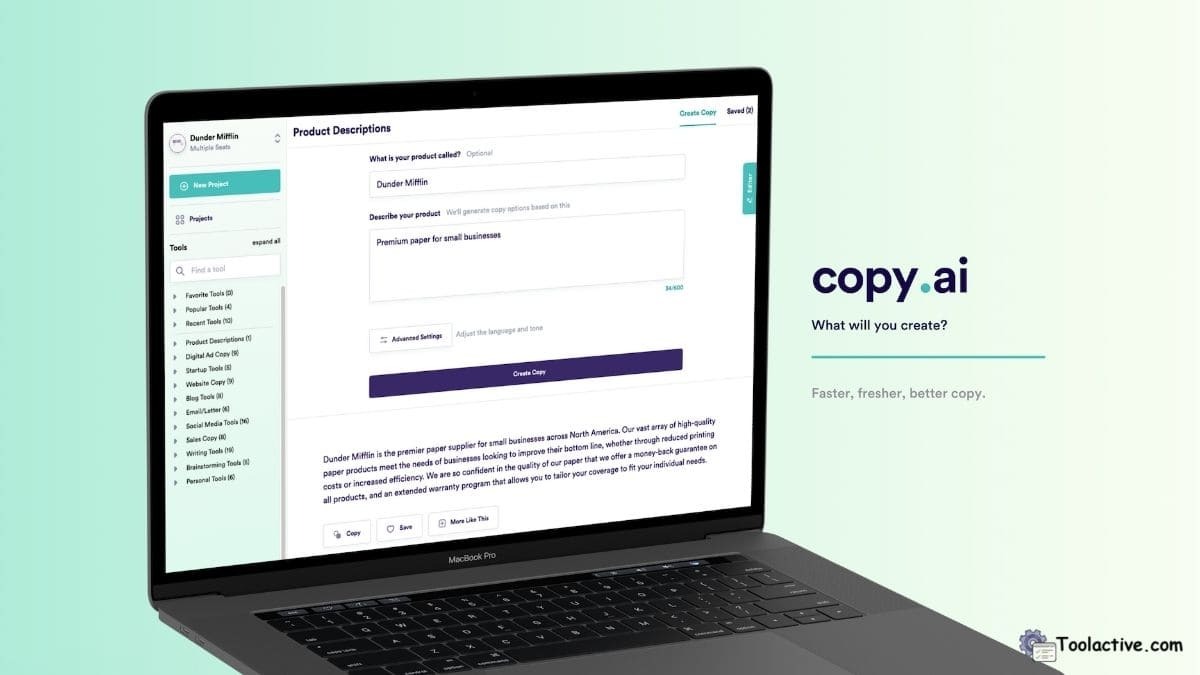
Copy.ai helps generate catchy ad copy, captions, and short-form content quickly.
Pros: Simple to use, supports multiple tones.
Cons: Can feel generic if prompts lack detail.
Best For: Social media marketers.
How to Use: Enter campaign details and select your desired style to generate options instantly.
4. Surfer SEO – Best AI SEO Optimization Tool
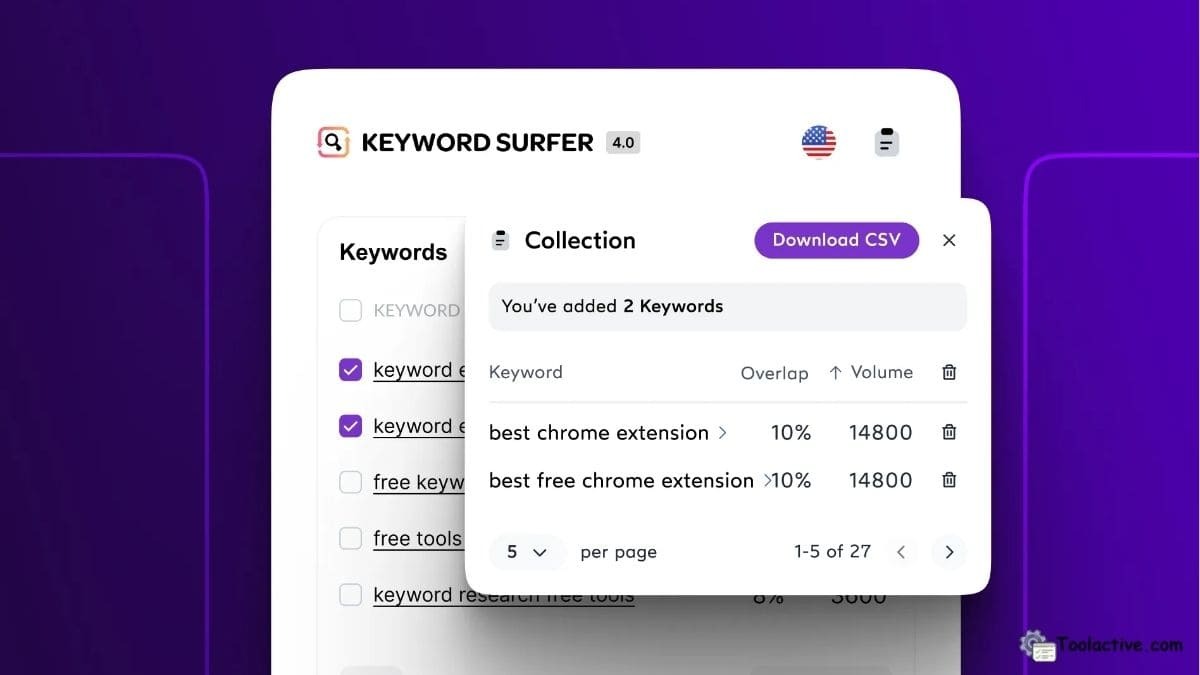
Surfer combines AI with SERP data to craft content that ranks. It recommends keyword clusters and structural improvements.
Pros: Data-backed content suggestions.
Cons: Learning curve for beginners.
Best For: SEO specialists.
How to Use: Paste your draft into the Surfer editor to receive real-time optimization guidance.
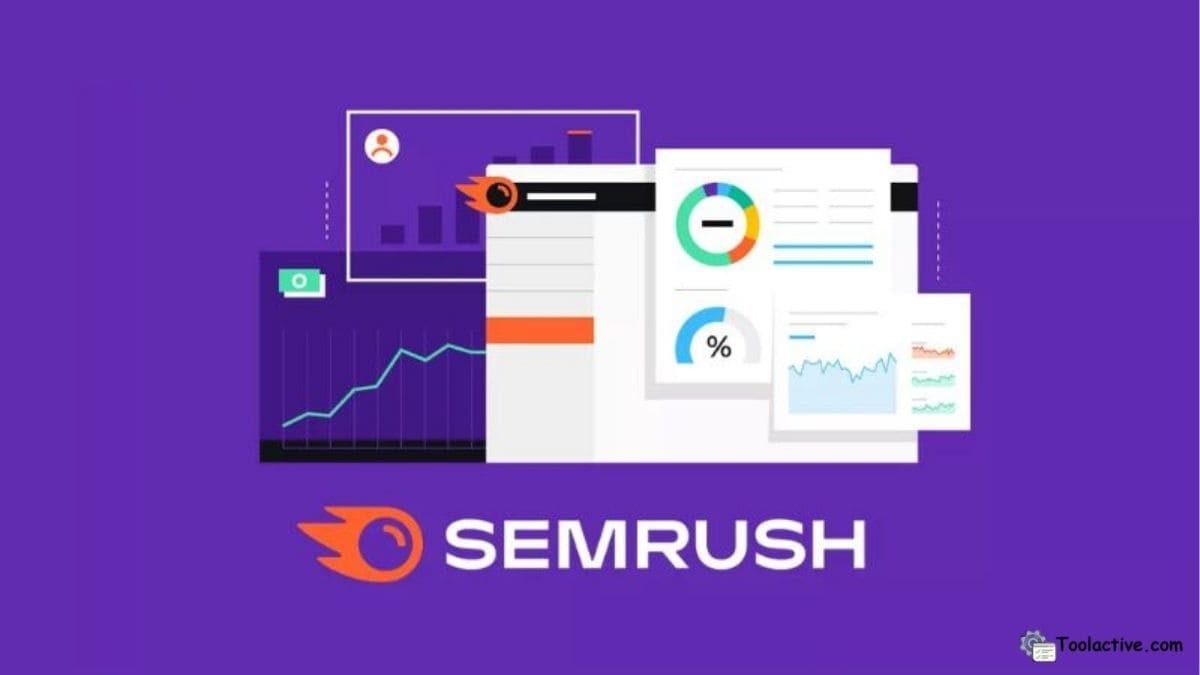
5. SEMrush – Best for Data-Driven Marketing Insights
SEMrush provides keyword intelligence, backlink tracking, and PPC data. Its AI helps identify market trends and competitors.
Pros: Accurate analytics, vast dataset.
Cons: High pricing tiers.
Best For: Agencies managing multiple clients.
How to Use: Run an SEO audit and analyze keyword trends to refine content strategy.
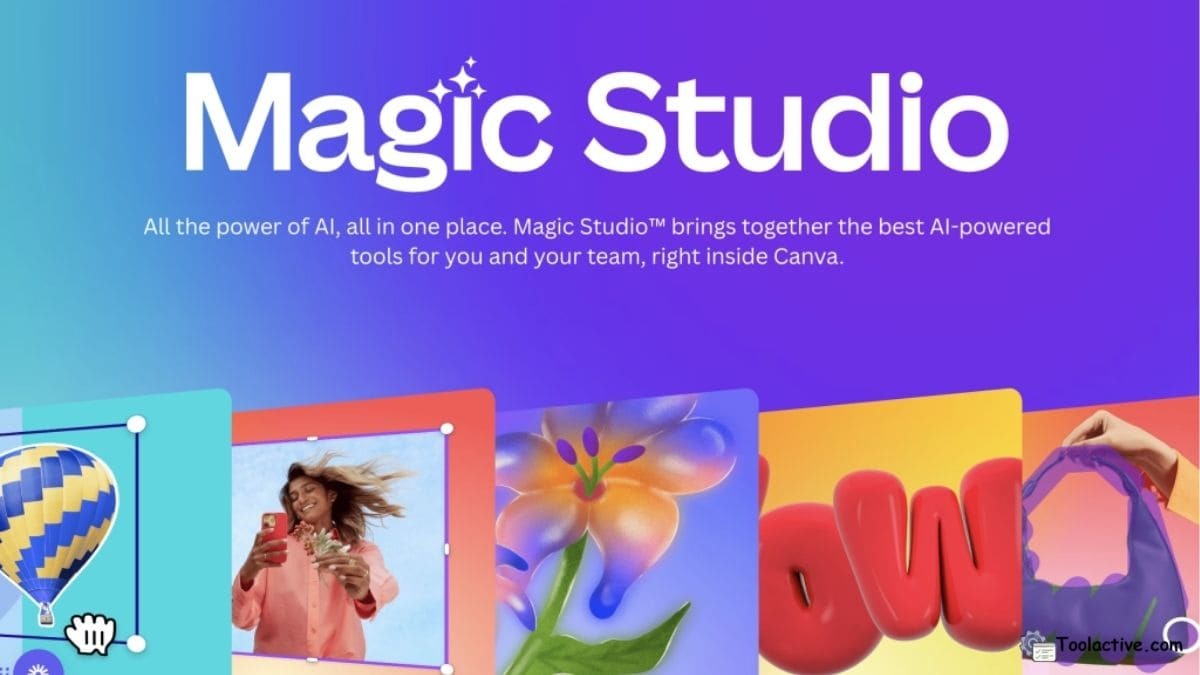
6. Canva Magic Studio – Best for AI Visual Marketing
Canva’s Magic Studio now uses AI to generate social visuals, presentations, and ad creatives.
Pros: User-friendly with vast templates.
Cons: Limited branding customization in free plan.
Best For: Social and visual marketers.
How to Use: Type an idea in Magic Studio’s prompt box to generate instant visuals.
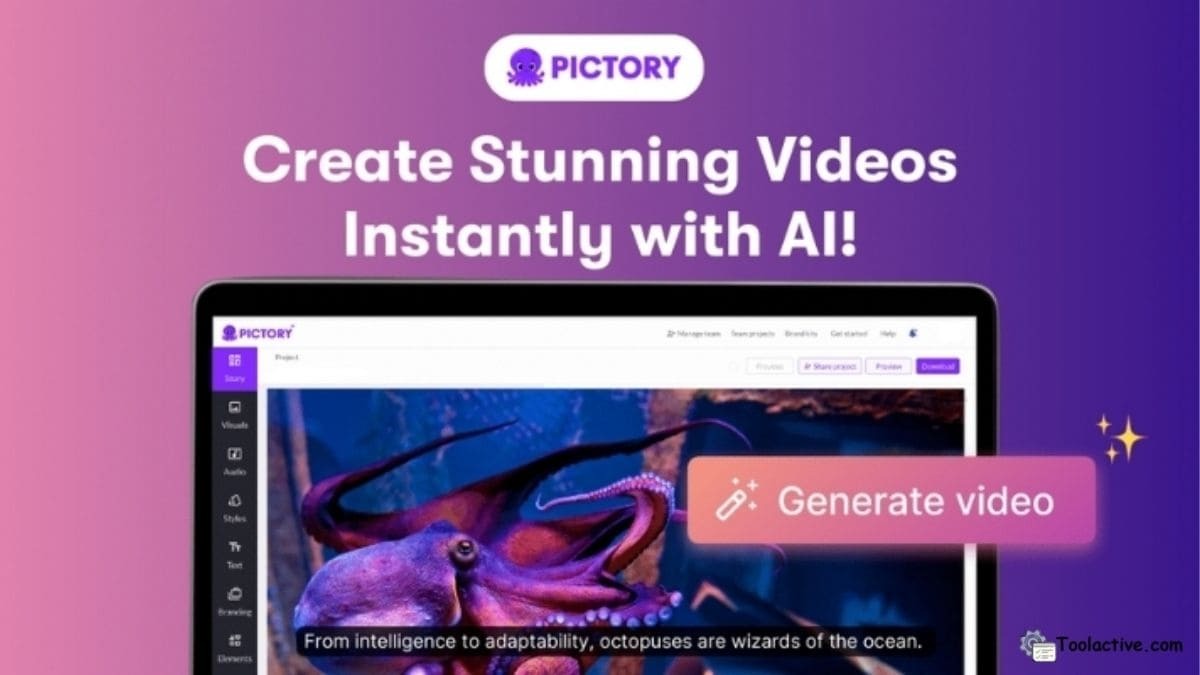
7. Pictory – Best for AI Video Generation
Turns text into professional videos with auto captions and branding.
Pros: Saves hours of manual editing.
Cons: Limited control over video styles.
Best For: Video marketers and educators.
How to Use: Upload a blog or script; Pictory converts it into a short marketing video.
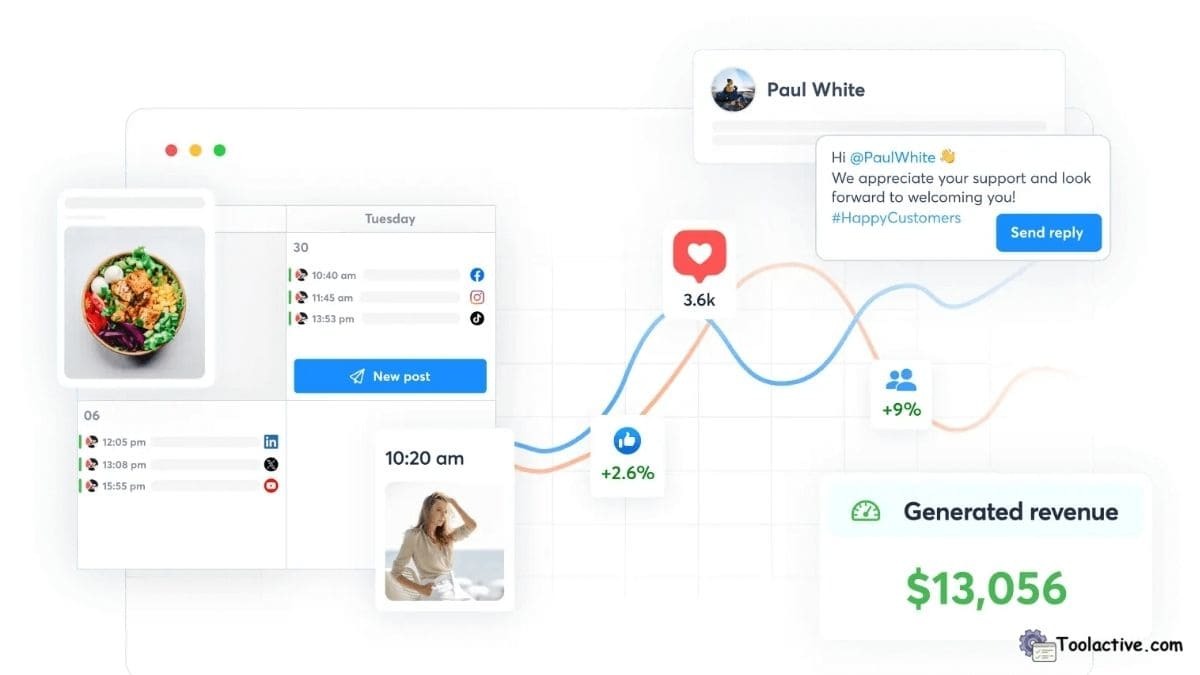
8. Hootsuite – Best AI Social Media Scheduler
Hootsuite’s AI now detects trends, suggests posting times, and optimizes captions.
Pros: Unified social dashboard.
Cons: Premium pricing for full analytics.
Best For: Social media teams.
How to Use: Connect your channels and enable “OwlyWriter” for AI content scheduling.
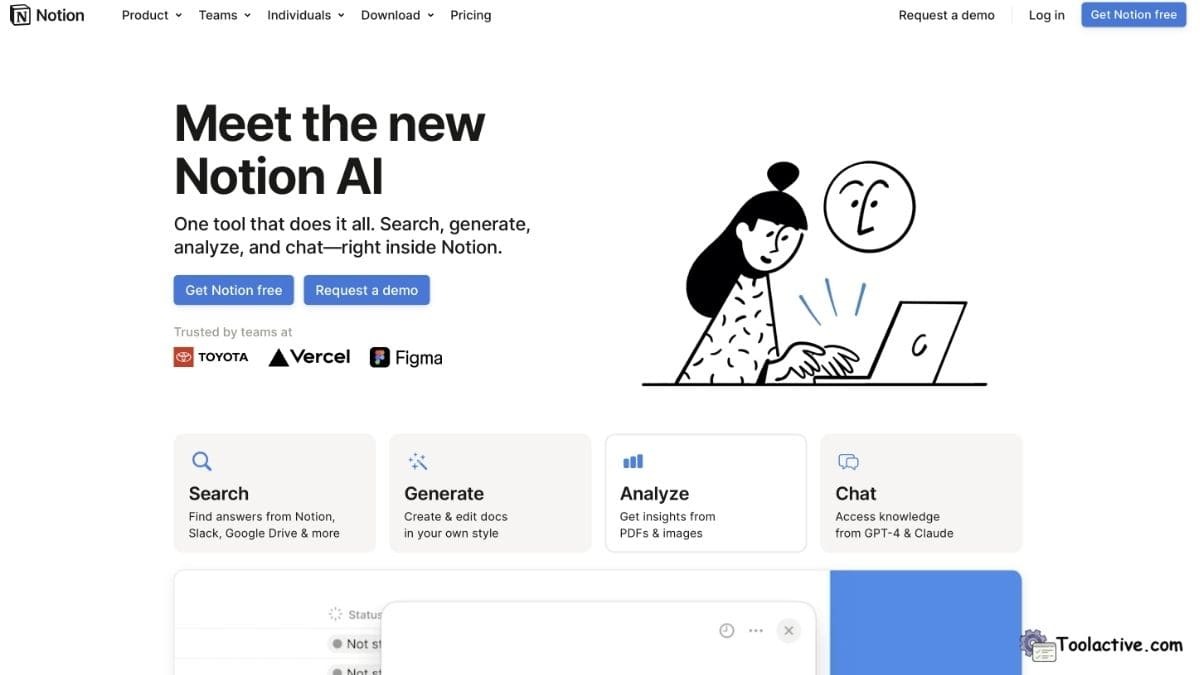
9. Notion AI – Best for Workflow & Campaign Planning
Notion AI assists with campaign notes, summaries, and ideation.
Pros: Excellent collaboration tools.
Cons: Limited creative flexibility.
Best For: Marketing teams managing multiple projects.
How to Use: Add the AI feature in Notion pages to summarize or brainstorm campaign ideas.
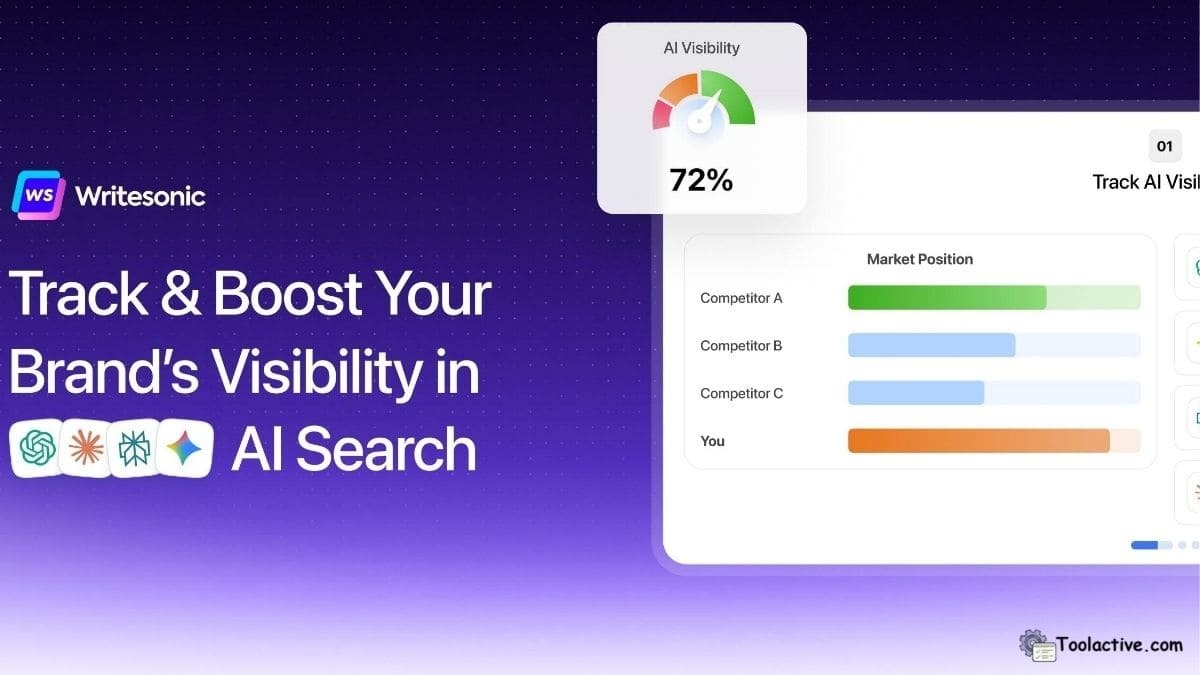
10. Writesonic – Best for Blog Copy Generation
Writesonic uses GPT-based AI to produce SEO-friendly marketing articles.
Pros: Built-in SEO optimization.
Cons: Occasional factual gaps.
Best For: Bloggers and content marketers.
How to Use: Choose “Article Writer 5.0” for long-form optimized content.
11 MarketMuse — Best AI Tool for Content Strategy
Overview: MarketMuse helps marketing teams plan, optimize, and scale content strategies using AI topic modeling and predictive content scoring. Unlike traditional SEO tools, it looks beyond keywords to map topical authority across a website.
How to Use: Upload existing content or enter a topic keyword. MarketMuse will analyze your site’s coverage, reveal content gaps, and generate prioritized topic clusters. During our testing, it built a 3-month strategy plan in under 30 minutes.
Pros: Excellent for content depth and authority; provides data-driven topic ideas; intuitive scoring system.
Cons: Pricey for small teams; may overwhelm beginners.
Best For: Enterprises and agencies focused on long-term SEO growth and topic dominance.
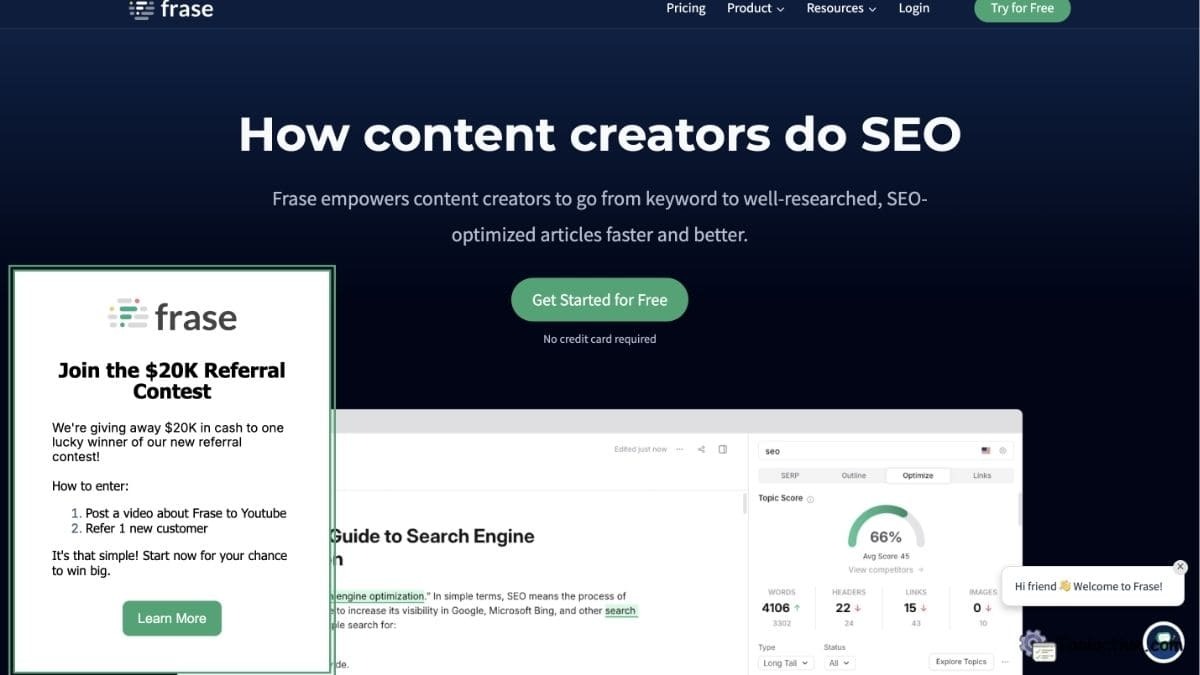
12 Frase.io — Best for SEO Briefs & Topic Research
Overview: Frase.io blends AI writing with SEO insights to help marketers create optimized content outlines fast. It scans top-ranking pages and provides SERP-based recommendations.
How to Use: Type a keyword and Frase generates a detailed outline with topic clusters and FAQs. You can write directly in its editor while AI scores relevance in real time.
Pros: Excellent for keyword-based outlines; time-saving content briefs; strong integration with Google Search Console.
Cons: Limited free tier; AI writing less creative than Jasper.
Best For: SEO writers and digital marketers producing keyword-driven blog content.
5.13 Lately AI — Best for Repurposing Social Content
Overview: Lately AI transforms long-form content (like blogs or podcasts) into dozens of optimized social media posts automatically.
How to Use: Connect your brand’s channels, paste in your source content, and the AI generates ready-to-publish posts in your tone of voice. Jason’s team tested it with webinars — producing over 50 posts in minutes.
Pros: Tremendous time-saver; learns brand tone over time; powerful analytics dashboard.
Cons: UI feels dated; not ideal for small creators with limited data.
Best For: Social media teams and agencies repurposing content at scale.
5.14 Predis.ai — Best AI for Instagram Marketing
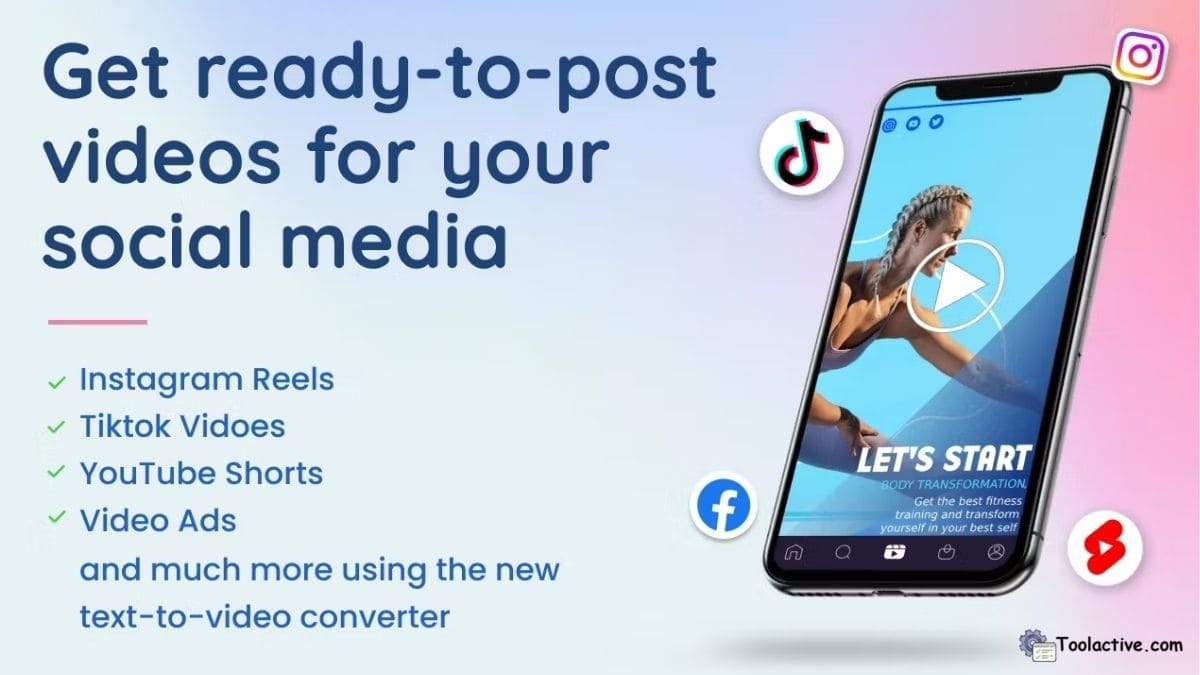
Overview: Predis.ai is designed for quick, creative social media visuals. It generates post ideas, captions, and videos tailored to each platform.
How to Use: Choose a post type (Reel, Story, Ad), enter a brief, and Predis creates visuals plus captions. It’s perfect for busy social media marketers managing multiple brands.
Pros: Great free plan; fast and simple workflow; generates complete post packages.
Cons: Creative quality varies; limited customization on free tier.
Best For: Small businesses and social media freelancers focusing on Instagram and short-form visuals.
5.15 AdCreative.ai — Best AI for Ad Creative Optimization
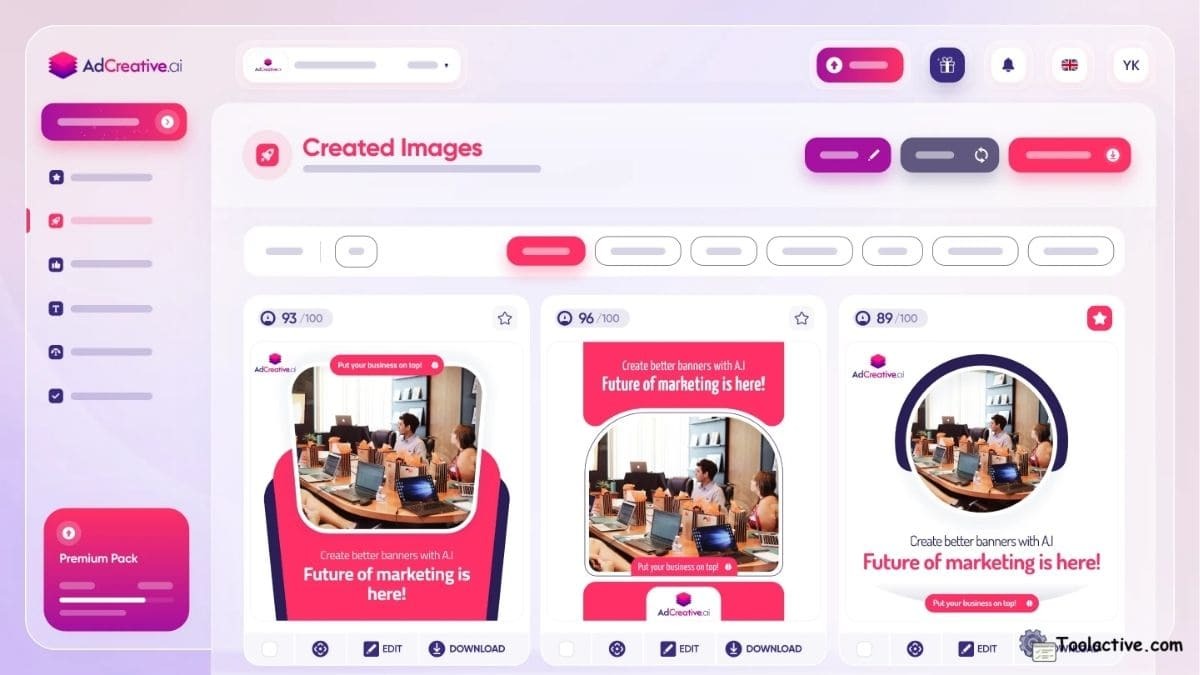
Overview: AdCreative.ai generates ad visuals and copy using machine learning that predicts engagement rates.
How to Use: Connect your ad account, upload branding assets, and the AI delivers ad sets ready to A/B test. We tested it with Google Ads and found a 17 % higher CTR on optimized creatives.
Pros: Data-driven visuals; easy integration with Meta & Google Ads; boosts conversion.
Cons: Requires paid plans for full analytics; limited brand-voice flexibility.
Best For: Performance marketers and ad agencies optimizing paid campaigns.
5.16 Writespark — Best for Technical Marketing Teams
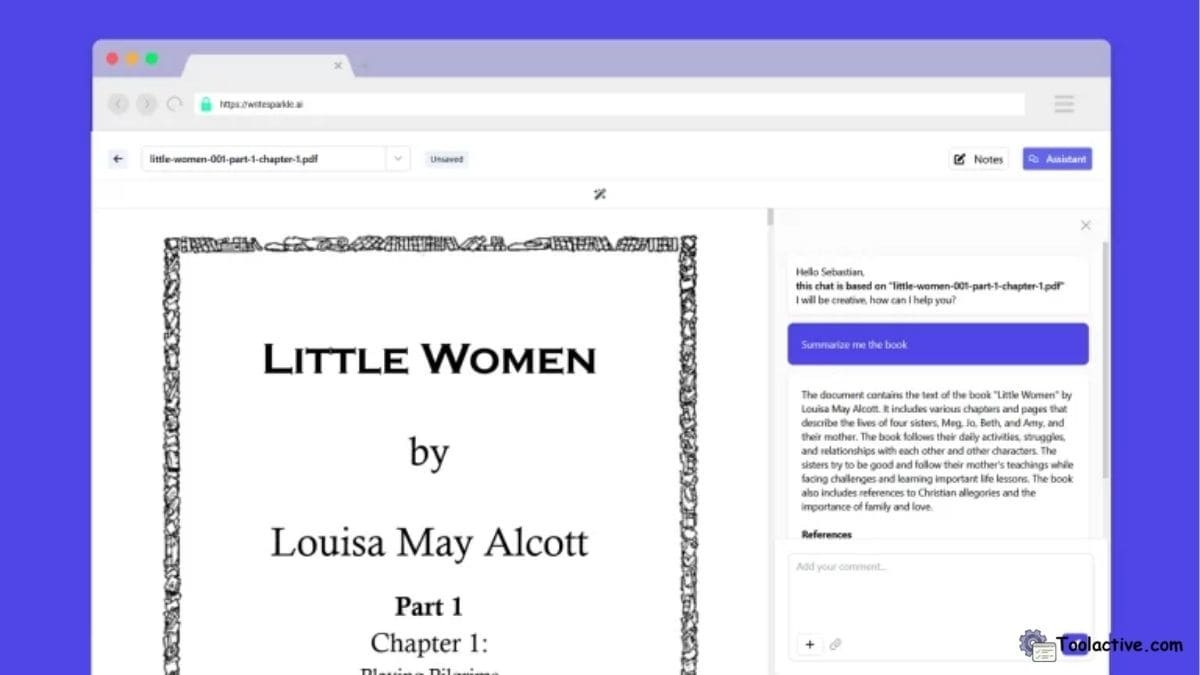
Overview: Writespark focuses on technical B2B content — whitepapers, case studies, and sales emails. It uses AI to transform raw technical notes into professional marketing material.
How to Use: Upload a case study brief or transcript, and Writespark builds structured drafts you can refine for publishing.
Pros: Excellent for complex or technical content; preserves factual accuracy; time-efficient.
Cons: No public pricing; smaller template library than Jasper or Copy.ai.
Best For: SaaS marketers, B2B agencies, and technical marketing teams needing accurate copy.
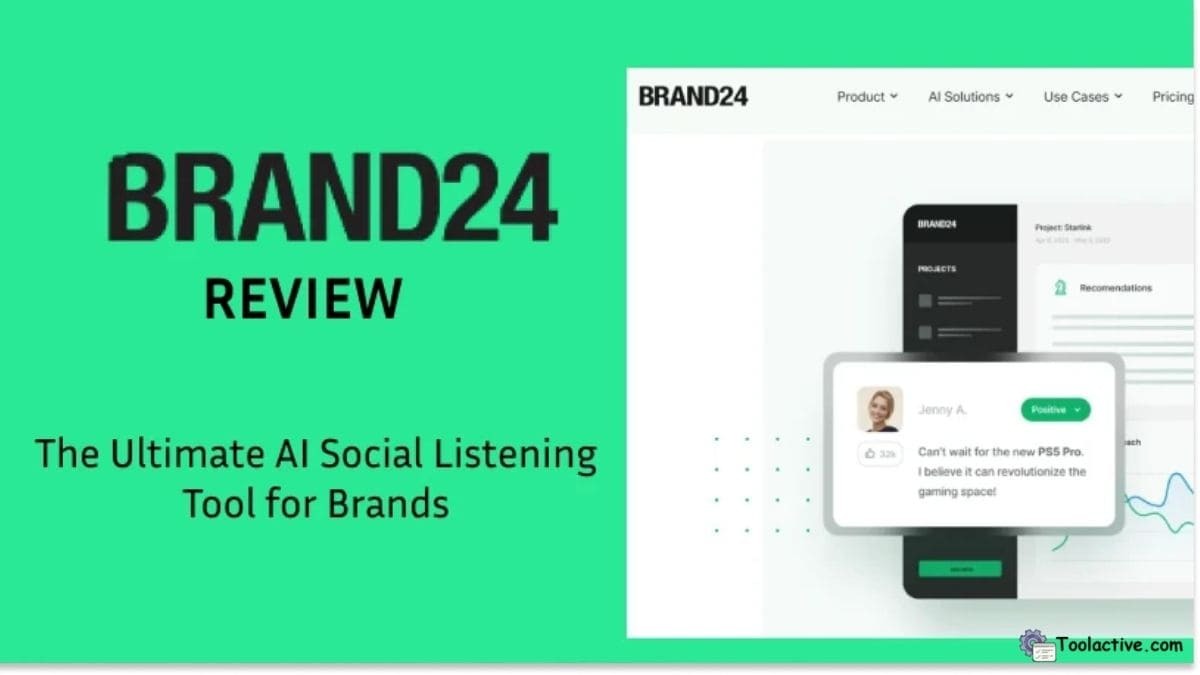
5.17 Brand24 — Best AI Tool for Brand Monitoring
Overview: Brand24 uses AI to track mentions and sentiment analysis across social networks, forums, and news sites — offering real-time brand reputation insights.
How to Use: Set up keyword alerts for your brand, products, or competitors. The dashboard displays mentions, trends, and sentiment charts.
Pros: Great visualization; accurate sentiment detection; broad coverage.
Cons: Learning curve for filters; expensive at higher volumes.
Best For: PR teams and brands tracking online reputation and audience sentiment.
5.18 Crayon — Best for Competitive Market Intelligence
Overview: Crayon gathers and analyzes competitor activity — from website updates to campaign launches — using AI change-detection algorithms.
How to Use: Add competitor URLs, and Crayon will monitor updates in real time and summarize insights in reports.
Pros: Excellent for market analysis; automates manual research; detailed competitor dashboards.
Cons: Pricing on request; suited more to enterprises than solopreneurs.
Best For: Marketing strategists, analysts, and enterprise intelligence teams.
5.19 ActiveCampaign — Best AI Email Marketing Software
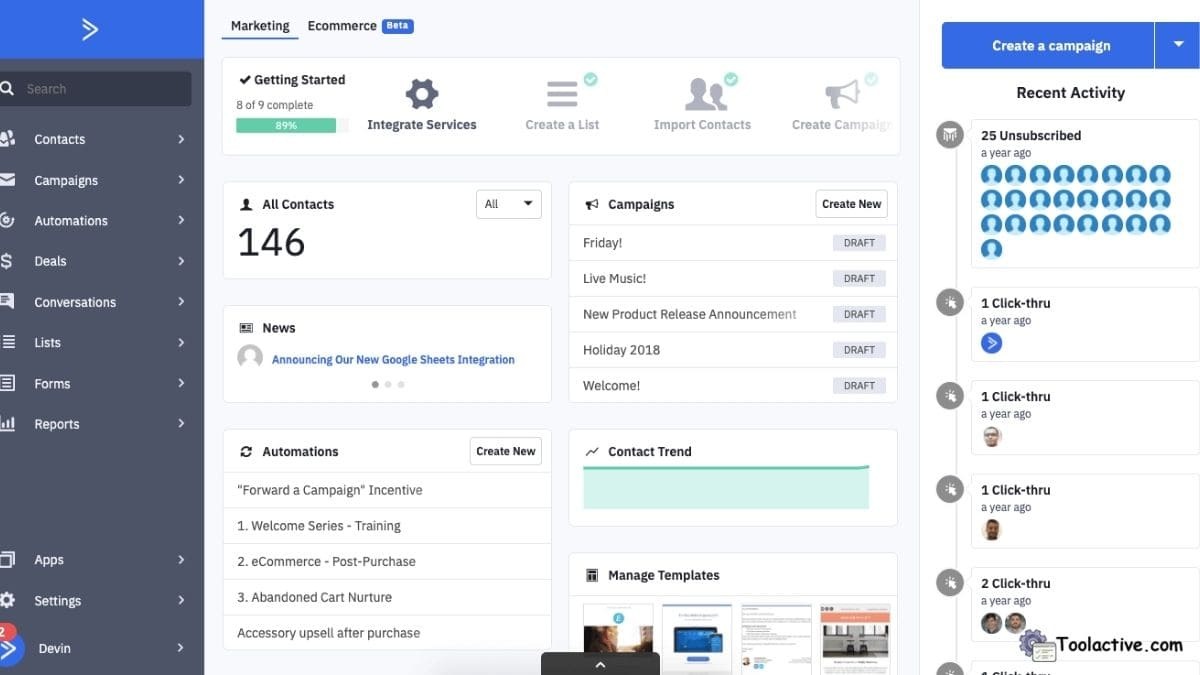
Overview: ActiveCampaign combines AI automation, predictive sending, and customer journey mapping to improve engagement and conversion.
How to Use: Build workflows visually, add triggers (like “opened email” or “abandoned cart”), and let AI optimize timing for delivery.
Pros: Strong automation builder; great CRM integration; predictive email timing works well.
Cons: Interface can feel busy; setup takes time for new users.
Best For: Businesses automating email sequences and customer retention campaigns.
5.20 Lumen5 — Best for Converting Text to Video
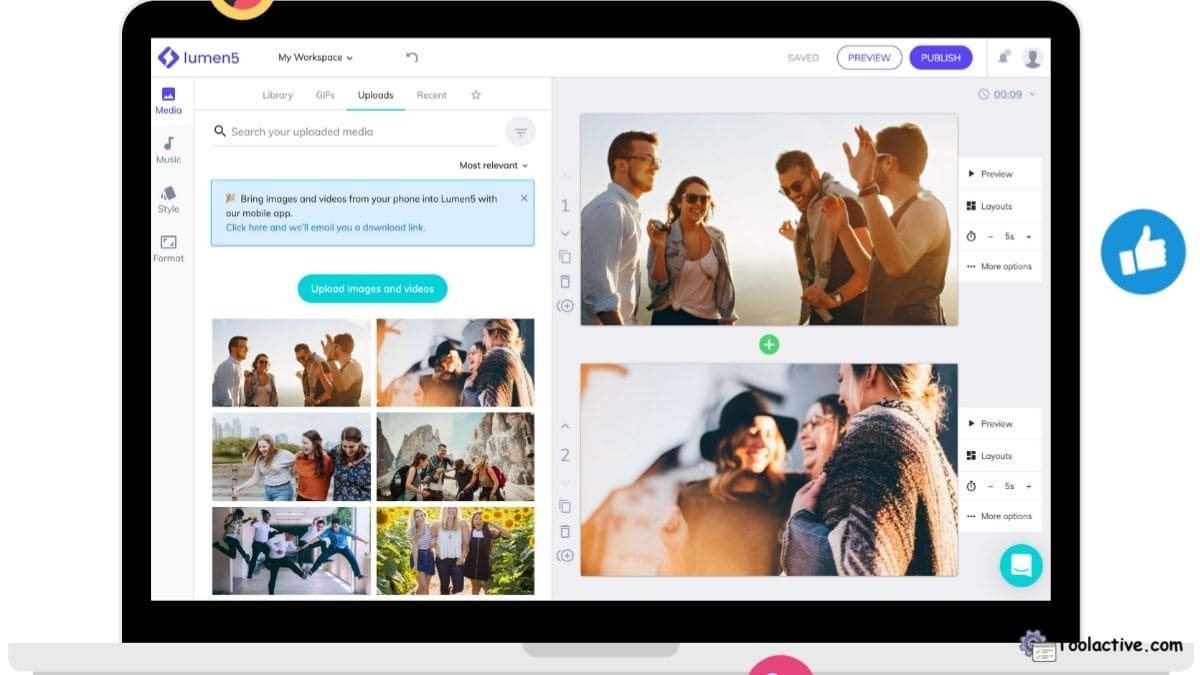
Overview: Lumen5 converts blog posts or scripts into short promotional videos, using AI to pick visuals, text overlays, and transitions automatically.
How to Use: Paste an article URL or upload text. The platform matches each line with visuals and music, then allows quick editing before export.
Pros: Quick video creation; strong for content repurposing; supports branding elements.
Cons: Exports are watermarked on free plan; limited manual editing.
Best For: Content marketers turning blogs into video for social or website promotion.
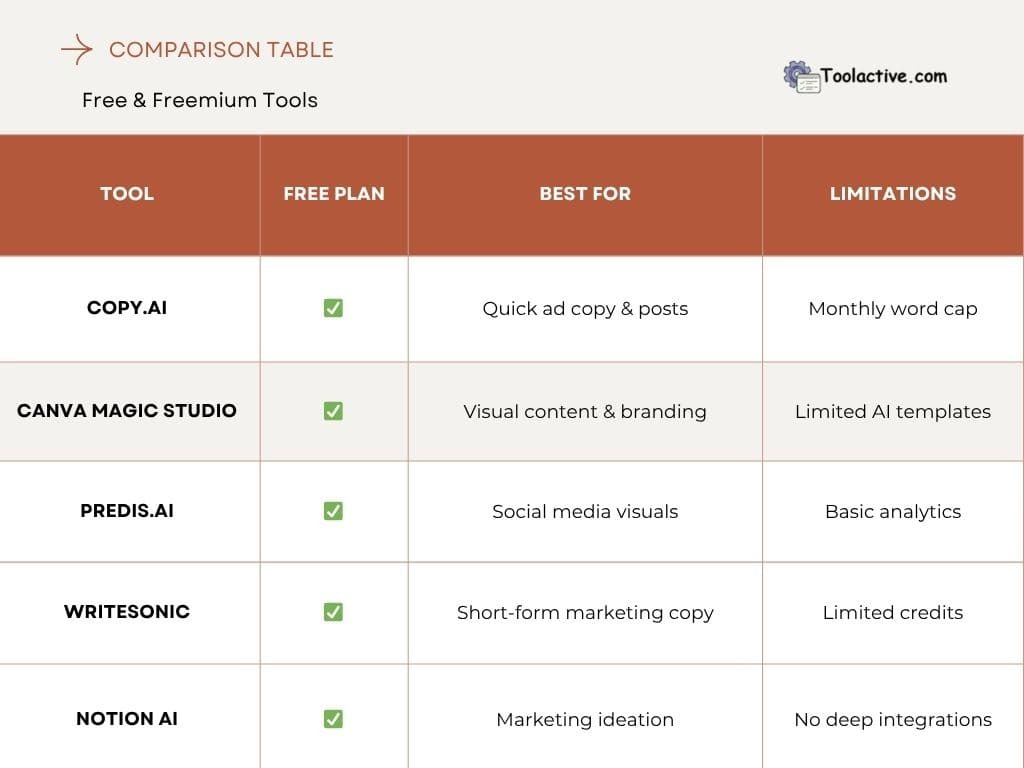
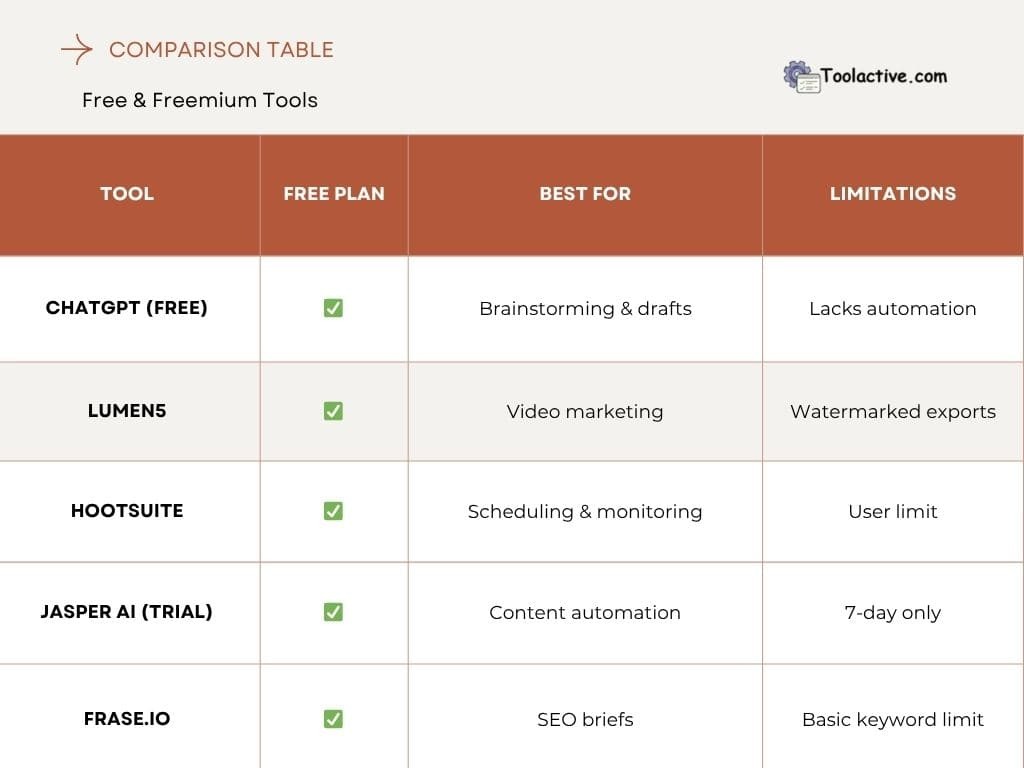
6. Free & Freemium AI Marketing Tools
7. Best AI Tools by Use Case
1. Content Creation
Jasper AI, Writesonic, Copy.ai — for scalable and high-quality marketing copy.
2. SEO & Optimization
Surfer SEO, Frase.io, MarketMuse — to improve ranking and keyword accuracy.
3. Social Media
Lately AI, Predis.ai, Hootsuite — automate posting and trend analysis.
4. Email & Automation
ActiveCampaign, HubSpot — manage personalized email flows.
5. Visual Marketing
Canva Magic Studio, Lumen5, Pictory — convert text and ideas into visuals.
If you want to explore more automation support tools, you can see the list of marketing management tool.
8. Why AI Tools Are Essential in Marketing
AI marketing tools streamline work and boost creative output. They enable marketers to build campaigns backed by data rather than guesswork. Through predictive analysis, personalization, and automation, AI improves ROI across channels.
At Toolactive, we continue testing and reviewing the best marketing AI tools to help professionals make confident, data-driven decisions for growth.
9. FAQs
Q1: What is the best AI marketing tool overall in 2025?
→ HubSpot Marketing Hub is the top all-in-one solution for automation and analytics.
Q2: Which AI tools are free for marketers?
→ Copy.ai, Canva, Predis.ai, and Writesonic offer solid free versions.
Q3: Can AI marketing tools replace human creativity?
→ No. They enhance creative work by automating repetitive tasks and suggesting improvements.
Q4: Are AI marketing tools safe for handling customer data?
→ Reputable tools like HubSpot and ActiveCampaign ensure enterprise-grade security.
Q5: Which AI tools are best for small business marketing?
→ Notion AI, Copy.ai, and Canva Magic Studio offer affordable, easy-to-use options.
Explore meeting Gohighlevel
10. Conclusion
AI-driven marketing is now the foundation of digital success. From automation to personalization, these 20 best AI marketing tools tested by Toolactive empower teams to work faster, create smarter, and scale effectively.
Jason Miller and the Toolactive review team tested each platform to ensure accuracy, usability, and ROI — so you can choose confidently.
Explore more verified AI tools for marketing, automation, and sales at Toolactive.com — your trusted directory for smarter business growth.




.jpg)