

.jpg)
1. Introduction
In 2025, teams depend more than ever on management tools to organize projects, streamline workflows, and coordinate complex software development operations. With remote and hybrid work becoming the global norm, choosing the right platform can directly impact productivity, delivery speed, and team alignment.
At Toolactive, we tested the most widely used management platforms to find out which ones offer the strongest performance, AI capabilities, and long-term scalability. As part of the review, Jason Miller, our senior analyst with 12+ years in management and automation systems, evaluated each tool across usability, AI automation, team collaboration, and reporting.
Throughout the article, you’ll see core keywords including best management tools, list management tools, list management software, best software development management tools, management tools, and AI management software—all essential for understanding today’s technology landscape.
This guide covers 10 fully reviewed tools, two comparison tables, a free/freemium roundup, best AI picks, FAQs, and expert insights to help you choose the right platform confidently.
Before going deeper into the next section, you can refer to ai automation tools to support your work.
2. What Are Management Tools?
Management tools are digital platforms built to help teams plan tasks, run workflows, coordinate responsibilities, and ensure projects stay on track. In modern workplaces, these tools also act as hubs for documentation, automation, reporting, and cross-functional collaboration.
In 2025, AI management software has reshaped how teams work. Tools now generate task summaries, automate recurring workflows, assist with predictive scheduling, and create instant reports from activity data. AI drastically reduces manual admin time and improves team alignment.
Common types of management tools include:
Task management tools — Focused on personal and team to-do lists.
Project management software — Handles timelines, sprints, dependencies, and progress tracking.
List management software — Organizes simple workflows, checklists, and structured lists.
Software development management tools — Built for engineering teams handling bugs, sprints, and versioning.
All-in-one workspace platforms — Combine notes, documentation, tasks, automation, and collaboration into one system.
These tools support both small teams and enterprise workflows, making them essential for 2025 operations.

3. How to Choose the Right Management Tool
Choosing the best management tool depends on your team size, workflow complexity, and integration needs. Look for platforms with flexible views (Kanban, list, Gantt, timeline), strong automation, and scalable permissions.
Consider whether you need list management tools for simple tracking or software development management tools for technical planning. Teams should also evaluate pricing, ease of use, device accessibility, and whether built-in AI features support automation, report generation, or predictive planning.
4. Comparison Table – Top 10 Best Management Tools
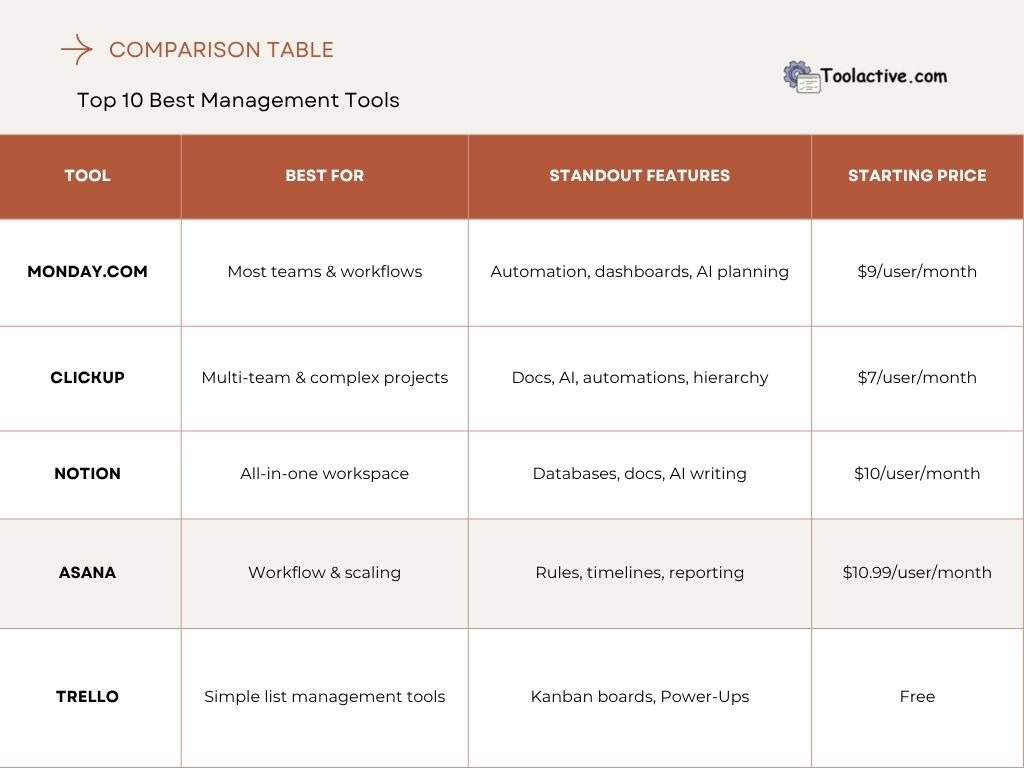
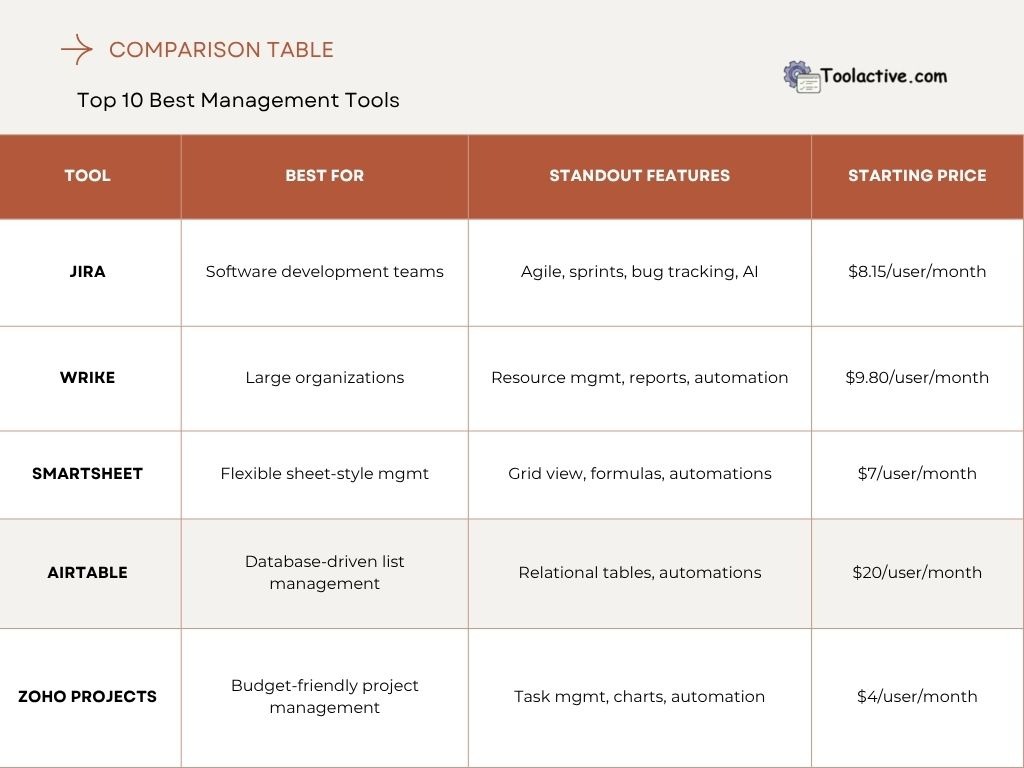
5. In-Depth Reviews: Best Management Tools (2025 Tested & Reviewed)
Below are full evaluations including why each tool stands out, key features, pros, cons, best for, how to use, and rating.
5.1 Monday.com — Best Overall Management Tool
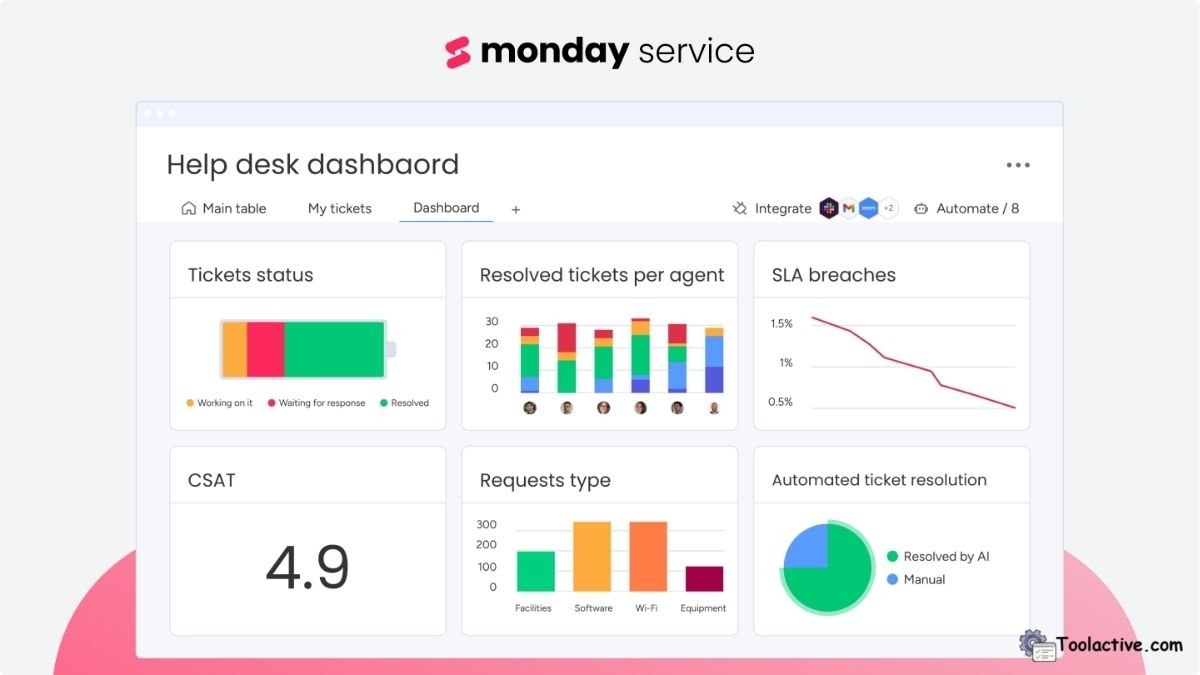
Monday.com remains one of the best management tools in 2025 due to its versatility, fast interface, and high-quality AI features. It adapts to marketing teams, operations, HR, product development, and enterprise workflows.
Why it stands out: AI-based predictive insights, workflow automation, and customizable dashboards make Monday a powerful choice for growing teams.
Key Features: Custom boards, timeline views, dashboards, activity tracking, automation rules, AI suggestions.
Pros: Flexible workflows, fast onboarding, strong AI, excellent integrations.
Cons: Advanced features require paid tiers.
Best For: Teams needing a multi-purpose platform.
How to Use: Create boards → assign owners → automate workflows → track progress through dashboards.
Rating: 4.8/5
5.2 ClickUp — Best for Multi-Team Planning
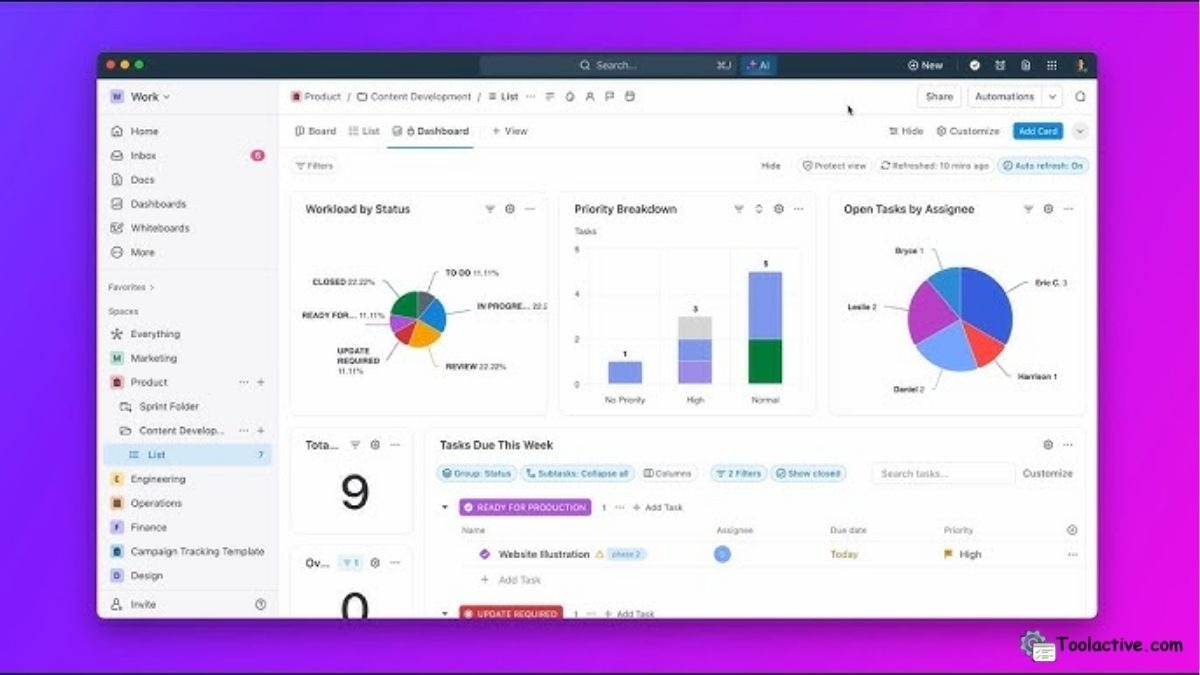
ClickUp is one of the most comprehensive platforms, ideal for teams managing diverse workflows.
Why it stands out: Highly customizable hierarchy, unlimited docs, and ClickUp AI for automation and summaries.
Key Features: Task management, mind maps, docs, AI writer, workload views.
Pros: All-in-one tool, powerful free plan, strong automation.
Cons: Can feel overwhelming to new users.
Best For: Cross-functional teams and agencies.
How to Use: Design spaces for each team → create lists → use AI to summarize tasks and generate docs.
Rating: 4.7/5
5.3 Notion — Best All-in-One Workspace
Notion is perfect for teams wanting documents, databases, and project planning in one place.
Why it stands out: Its flexible workspace structure makes it ideal for list management software and documentation.
Key Features: Docs, databases, Notion AI, knowledge base features.
Pros: Highly customizable, replaces multiple apps.
Cons: Not ideal for advanced project timelines.
Best For: Documentation-heavy teams and knowledge management.
How to Use: Build databases → connect pages → use AI to draft and organize content.
Rating: 4.6/5

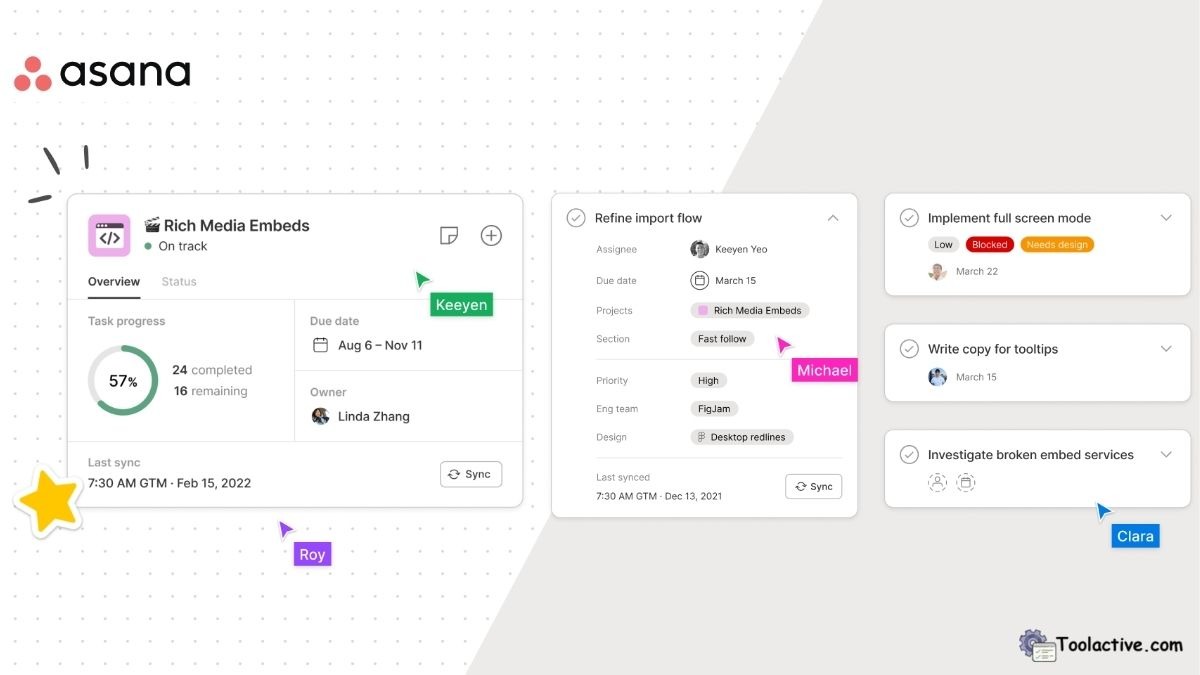
5.4 Asana — Best for Workflow Structure & Scaling
Asana offers structured project organization that scales well with larger teams.
Why it stands out: Strong reporting and automation make it ideal for professional project management.
Key Features: Rules, dashboards, timeline view, AI workflows.
Pros: Enterprise-ready, excellent UI.
Cons: Limited flexibility for custom layouts.
Best For: Teams with complex approval workflows.
How to Use: Organize tasks by projects → add rules → track progress in timelines.
Rating: 4.6/5
5.5 Trello — Best Simple Kanban List Management Tool
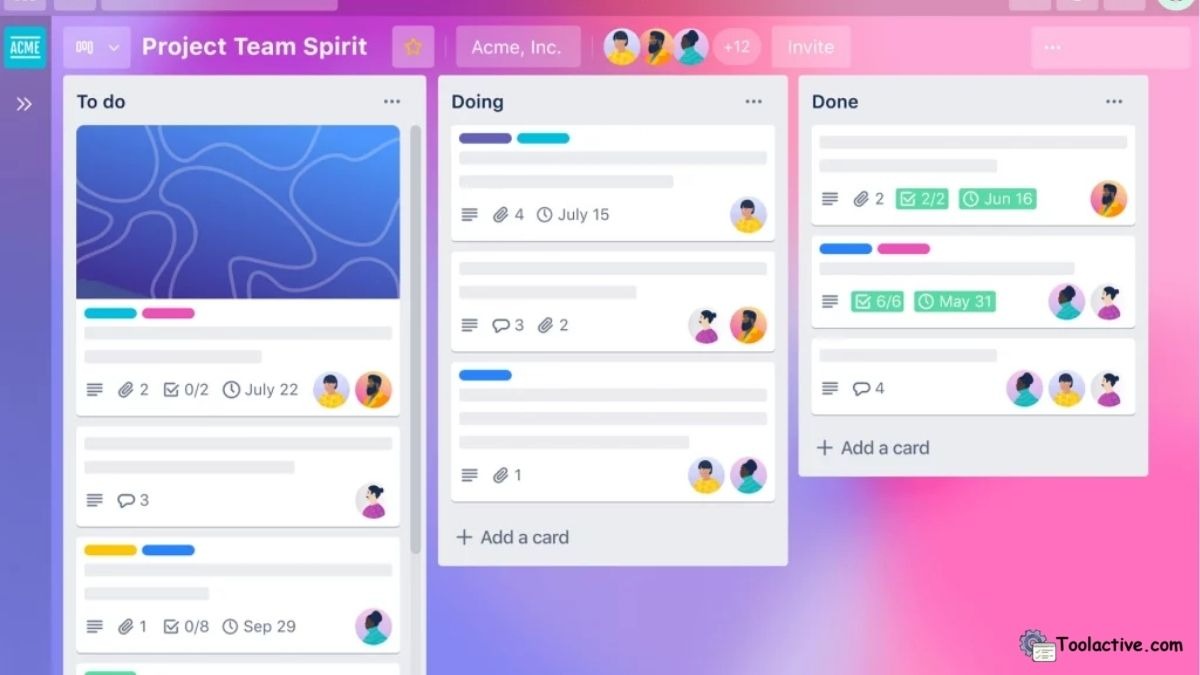
Trello remains one of the most popular list management tools.
Why it stands out: Simple Kanban interface and free Power-Ups.
Key Features: Boards, checklists, automations, Power-Ups.
Pros: Very easy to use, great free plan.
Cons: Not ideal for large teams or complex projects.
Best For: Small teams and personal task tracking.
Rating: 4.5/5
5.6 Jira — Best Software Development Management Tool
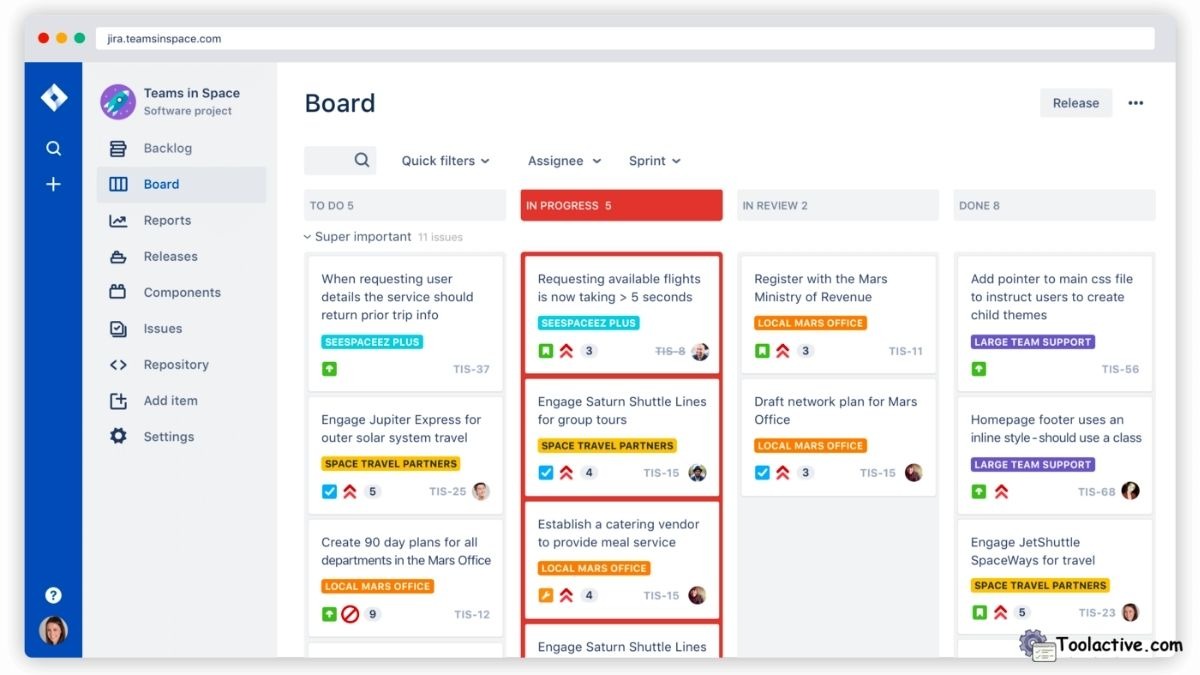
Jira is the industry standard for engineering teams.
Why it stands out: Advanced sprint planning, bug tracking, and Atlassian AI.
Key Features: Scrum boards, sprints, workflows, reports, AI assistance.
Pros: Rich in dev features, scalable, customizable.
Cons: Steep learning curve.
Best For: Engineering teams and technical workflows.
Rating: 4.7/5
5.7 Wrike — Best for Large Organizations
Wrike is built for enterprise-level collaboration.
Why it stands out: Deep reporting and work intelligence features.
Pros: Strong analytics, enterprise-level structure.
Cons: UI can feel dense.
Best For: Enterprises running multiple departments.
Rating: 4.5/5

5.8 Smartsheet — Best Flexible Sheet-Style Management Tool
A spreadsheet-first platform for data-oriented users.
Best For: Teams who prefer Excel-style layouts.
Rating: 4.4/5
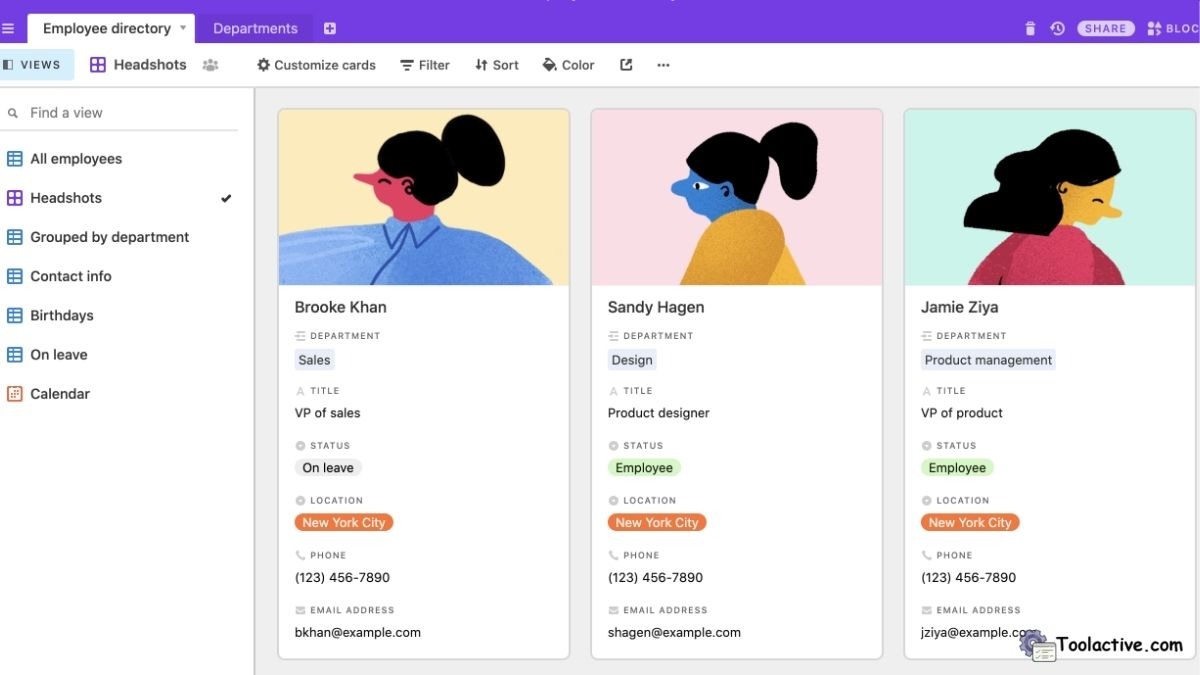
5.9 Airtable — Best for Database-Driven List Management
Airtable combines spreadsheets with relational databases.
Best For: Marketing, CRM, and data-heavy workflows.
Rating: 4.6/5
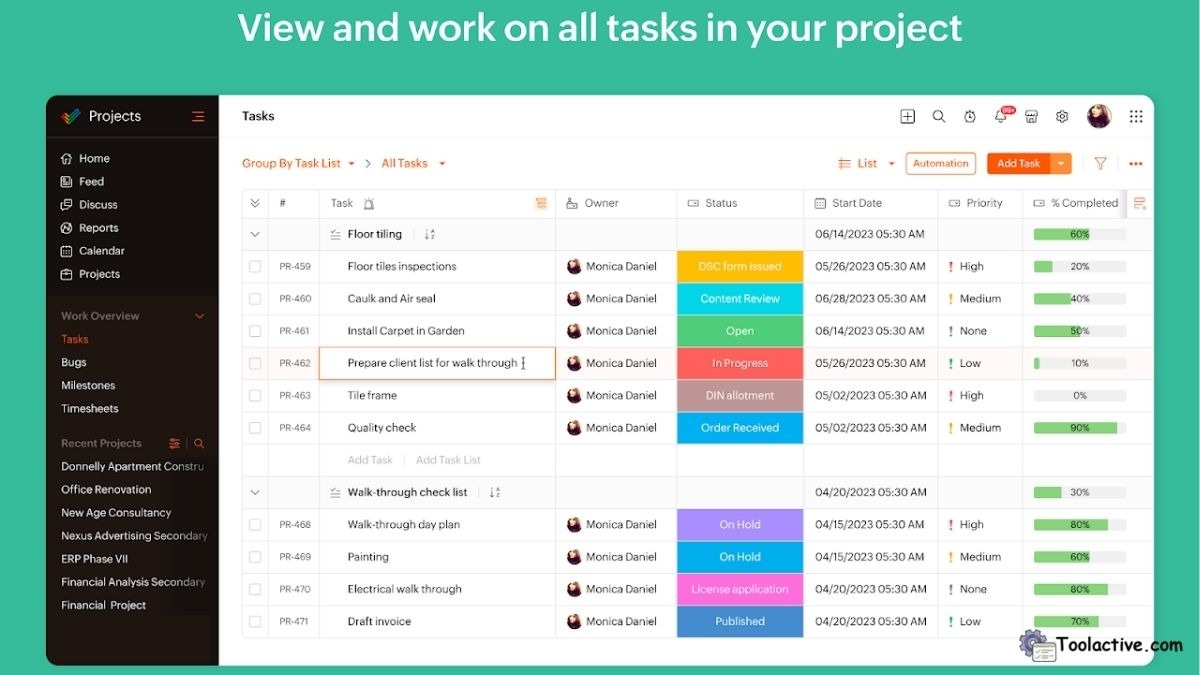
5.10 Zoho Projects — Best Budget Option
Zoho Projects delivers strong value for small teams.
Best For: Budget-conscious companies.
Rating: 4.3/5
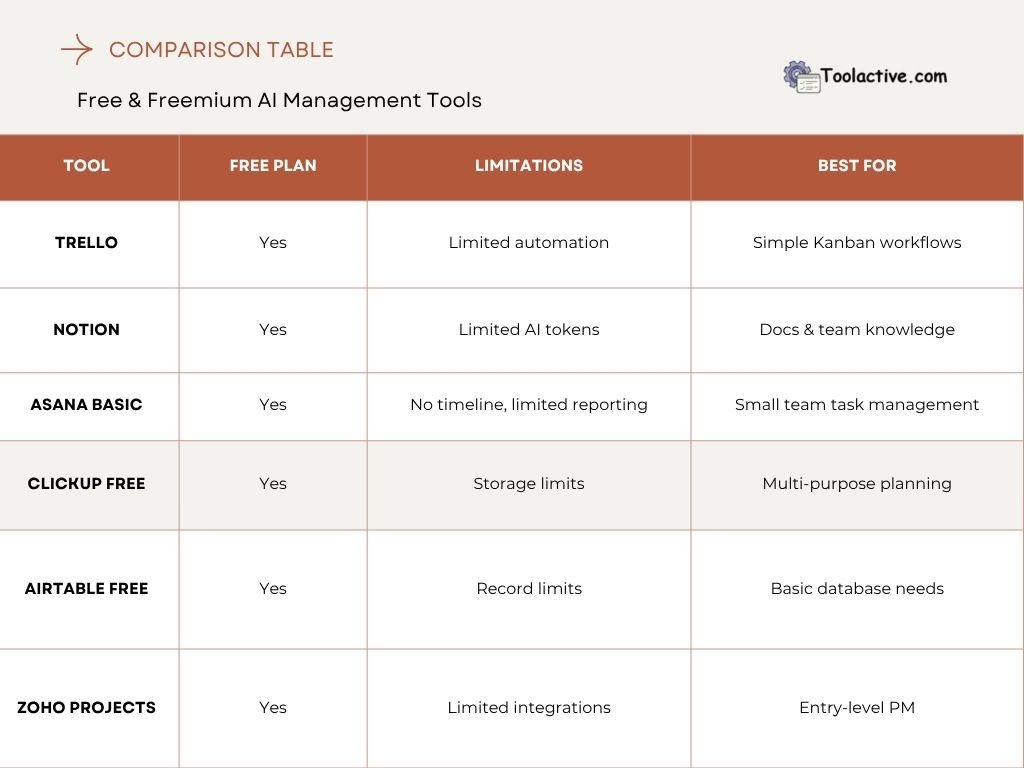
6. Free & Freemium Tools (Comparison Table)
7. Best AI Management Tools by Use Case
As AI becomes central to productivity, here are the strongest picks by category.
7.1 Best for Task Automation — ClickUp AI
Automates task creation, summaries, and recurring workflows.
7.2 Best for Predictive Planning — Monday AI
Provides predictive insights and automated project suggestions.
7.3 Best for Software Developers — Jira + Atlassian Intelligence
AI-assisted bug descriptions, sprint planning, and reporting.
7.4 Best for Knowledge & Documentation — Notion AI
Drafts documents, restructures content, and maintains knowledge bases.
7.5 Best for Data-Heavy Workflows — Airtable AI
AI-generated queries, formulas, and automations.
7.6 Best for Workflow Summaries — Wrike AI
Creates instant summaries and performance reports.
See more: best it software tools
8. FAQs
What is the best management tool overall?
Monday.com is the best all-around option for most teams.
What is the best free management software?
Trello, ClickUp Free, and Notion offer the most value.
Which tools are best for software development teams?
Jira is the leading choice due to its dev-focused workflow engine.
What is list management software?
Tools like Trello and Airtable that organize tasks using lists, tables, and boards.
What are AI management tools?
Platforms that use AI to automate tasks, create summaries, predict delays, and boost productivity.
Which tool is best for remote teams?
ClickUp and Notion offer flexible collaboration for distributed teams.
Explore our Sembly AI store
9. Conclusion
Selecting the right management system can significantly improve your team's efficiency, collaboration, and long-term scalability. Whether you need list management tools, software development management platforms, or AI management software for automation, the tools reviewed above represent the strongest options in 2025.
As part of Toolactive’s annual review, I (Jason Miller) personally tested each platform to evaluate AI quality, performance, and user experience. Explore both the comparison tables and the AI use-case recommendations to choose the tool that best fits your workflow.
If you need help selecting the ideal platform, Toolactive provides curated tool lists and expert insights to guide your decision.




.jpg)