

.jpg)
1. Introduction
In 2025, teams and organizations rely more than ever on modern software tools to improve development workflows, strengthen collaboration, automate repetitive tasks, and enhance productivity with powerful AI capabilities. The rapid evolution of cloud platforms, code assistants, visual dashboards, and workflow tools has created an environment where choosing the best software tools matters for long-term performance and scalability.
Whether you're researching the best software tools, comparing the best software list, or searching for the best software for AI, this guide provides a verified and reliable overview based on hands-on testing. Each tool was analyzed in real project environments, allowing you to select the right platform with confidence.
At Toolactive, we curate, test, and review software and automation tools so professionals can make smarter decisions with verified insights. This report was reviewed and tested by Jason Miller, a marketing-tech expert with 12+ years of experience evaluating digital tools and helping teams choose the right stack for growth.
Before going deeper into the next section, you can refer to top software list to support your work.
2. What Counts as the ‘Best Software Tools’ in 2025?
Modern software tools are no longer limited to simple productivity apps. In 2025, the landscape includes advanced development environments, cross-team collaboration platforms, performance monitoring tools, work-management systems, automation apps, documentation platforms, and AI-powered assistants that enhance every part of the workflow.
AI has become a foundational layer across nearly every tool category. Whether generating code, predicting project risks, organizing knowledge bases, auto-drafting messages, or enhancing data visualizations, AI now influences decision-making and daily operations.
To create this best software list, Jason Miller and Toolactive evaluated each tool using core pillars: reliability, integration depth, AI capabilities, scalability for teams of all sizes, robust security, and overall user experience. These pillars collectively determine whether a tool is future-proof and suitable for modern organizations.

3. How We Tested These 15 Software Tools
Every tool in this list was tested using consistent criteria to ensure fairness and accuracy. The evaluation framework included feature depth, AI enhancements, performance, accuracy in real workflows, flexibility of integrations, pricing transparency, and how easily teams can adopt the tool.
Testing environments included small-team setups, enterprise workflows, and cloud-based development ecosystems. Jason Miller directly interacted with each platform during real work scenarios—coding sprints, documentation builds, design workflows, and automation pipelines—to provide a reliable, expert-verified review.
4. Quick Comparison Table — Top 15 Best Software Tools (2025)


5. The 15 Best Software Tools (Tested & Reviewed)
Below are Jason Miller’s in-depth evaluations, including pros, cons, AI features, best-for use cases, usage tips, pricing, and ratings.
5.1 GitHub Copilot — Best for AI-Enhanced Coding
GitHub Copilot remains the strongest AI coding assistant, capable of generating functions, fixing bugs, and explaining code in seconds. It integrates smoothly into IDEs and accelerates engineering productivity across languages.
AI Enhancements: Context-aware coding, debugging, doc generation.
Pros: Excellent accuracy, supports multiple frameworks, boosts developer speed.
Cons: Requires high-quality prompts; costly for large teams.
Best For: Developers, DevOps engineers, software teams.
How to Use: Activate in your IDE, set rules for completions, use prompts for code logic.
Rating: 9.6/10
Pricing: Paid.

5.2 Jira — Best for Engineering Project Tracking
Jira continues to be the gold standard for issue tracking and engineering workflows. Its strength lies in robust configuration options and detailed sprint management.
AI Enhancements: Predictive issue scoring, auto classification, backlog insights.
Pros: Highly customizable; enterprise-grade reliability.
Cons: Can feel complicated for new users.
Best For: Engineering teams and technical project managers.
Rating: 9.2/10
Pricing: Paid.

5.3 ClickUp — Best All-in-One Work Management Tool
ClickUp is a flexible platform suitable for nearly any workflow. It combines tasks, docs, whiteboards, and automation in one place.
AI Enhancements: Document drafting, task summaries, workflow suggestions.
Pros: Versatile, scalable, great for mixed-team collaboration.
Cons: Can be heavy for small teams.
Best For: Agencies, project teams, cross-department collaboration.
Rating: 9.0/10
Pricing: Freemium.

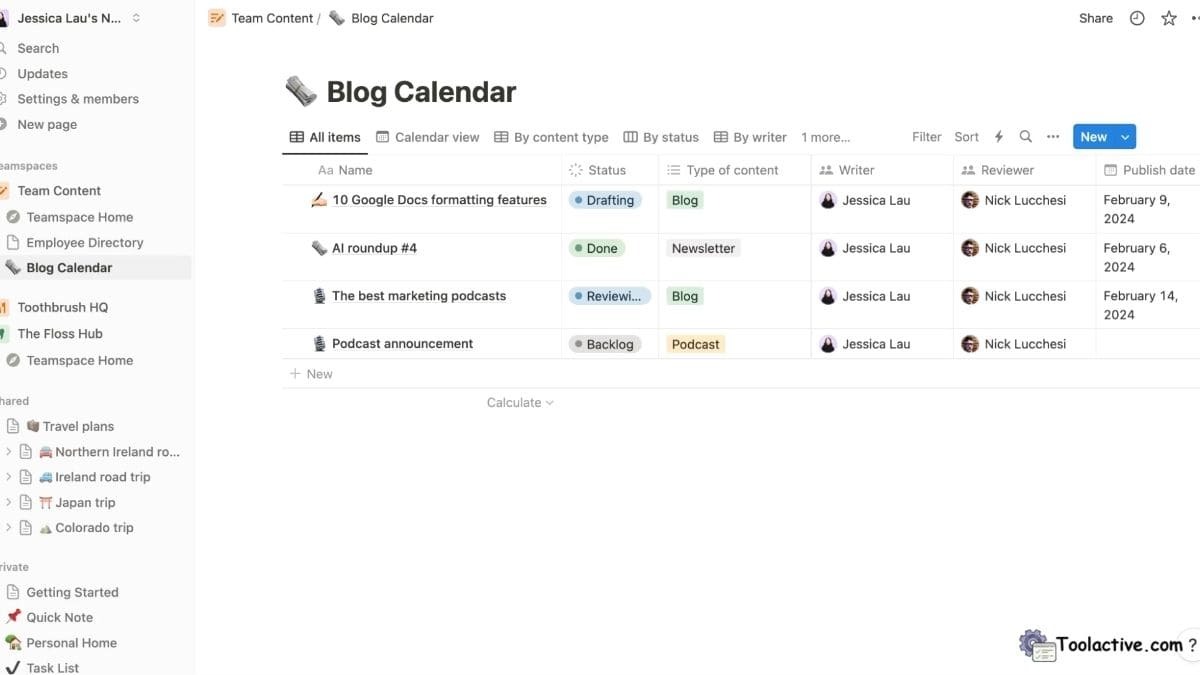
5.4 Notion — Best for Documentation & Knowledge Bases
Notion remains a favorite for structured knowledge systems and documentation, with unmatched customizability through databases and templates.
AI Enhancements: Content summarization, writing help, Q&A search.
Pros: Flexible, excellent for internal wikis.
Cons: Can slow down with large databases.
Best For: Knowledge management, documentation, personal organization.
Rating: 9.1/10
Pricing: Freemium.
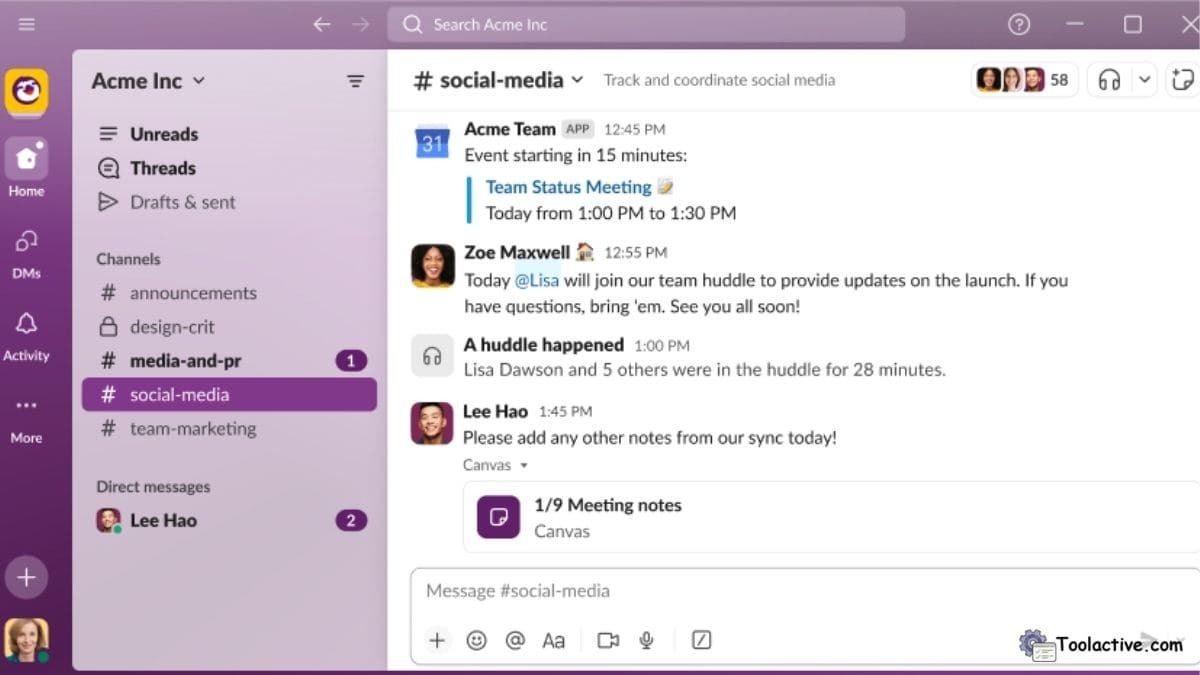
5.5 Slack — Best Team Communication Hub
Slack centralizes team messaging, channels, and updates, now backed with powerful AI summarization.
AI Enhancements: Channel recaps, message search, faster information retrieval.
Pros: Fast, easy to adopt, integrates with everything.
Cons: Message flow can be overwhelming.
Best For: Distributed teams.
Rating: 9.0/10
Pricing: Freemium.
5.6 Postman — Best for API Development & Testing
Postman streamlines API development with testing suites, mock servers, and automated workflows.
AI Enhancements: API doc generation, test suggestions.
Pros: Reliable environment for API testing.
Cons: Advanced features require paid plans.
Best For: Backend engineers, QA, DevOps.
Rating: 8.9/10
Pricing: Paid.

5.7 JetBrains IDEs — Best Professional Coding Environment
JetBrains IDEs remain powerful development environments with deep language support.
AI Enhancements: Code suggestions, refactoring recommendations.
Pros: Extremely powerful for enterprise development.
Cons: Heavy on system performance.
Rating: 9.4/10
Pricing: Paid.

5.8 Trello — Best Lightweight Project Tool
Trello keeps things simple with clean Kanban boards.
AI Enhancements: Shortcuts, quick-add tasks.
Pros: Easy to learn; great for small teams.
Cons: Limited for complex workflows.
Rating: 8.6/10
Pricing: Freemium.

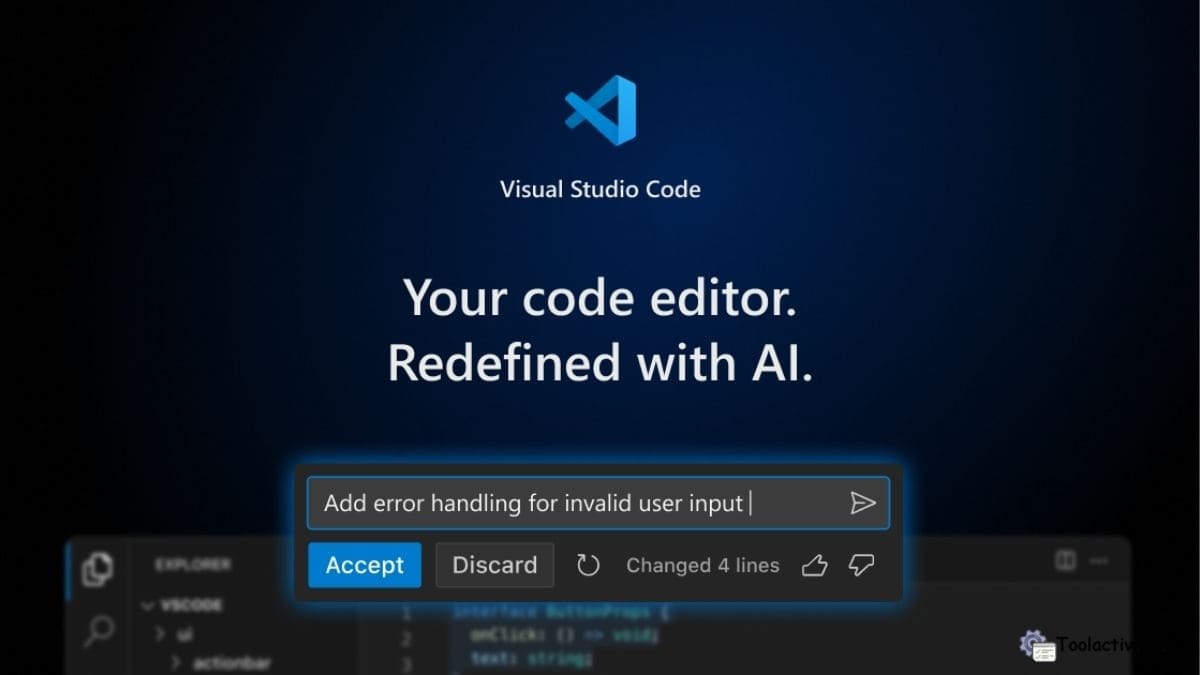
5.9 Visual Studio Code — Best Free IDE for Developers
VS Code remains unmatched for its lightweight speed and powerful extension ecosystem.
AI Enhancements: Copilot integration, AI debugging extensions.
Pros: Free, flexible, runs on any machine.
Cons: Requires extensions for advanced features.
Rating: 9.3/10
Pricing: Free.
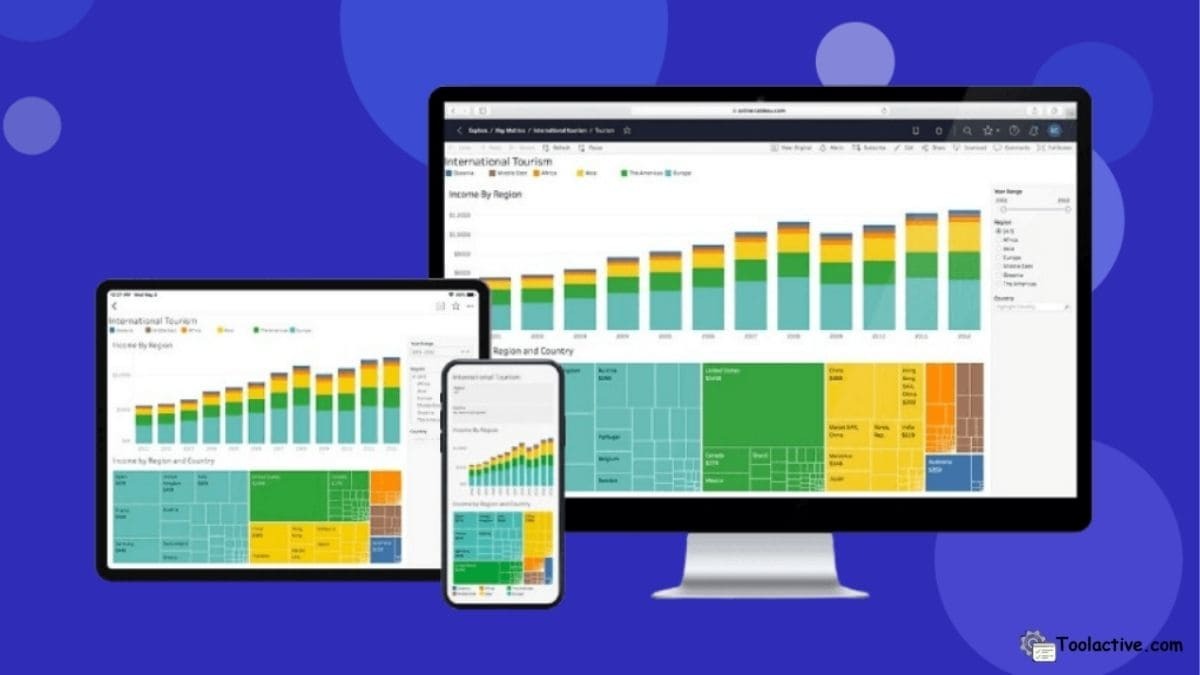
5.10 Tableau — Best Data Visualization Software
Tableau transforms complex datasets into clear dashboards used across enterprises.
AI Enhancements: Insight predictions, suggested charts.
Pros: Strong visuals and enterprise performance.
Cons: Steep learning curve.
Rating: 9.0/10
Pricing: Paid.
5.11 Asana — Best Cross-Team Productivity Platform
Asana excels at clear project visualization with timelines and workload charts.
AI Enhancements: Task predictions, dependency suggestions.
Pros: Clean interface and strong workflow design.
Cons: Advanced reporting requires upgrades.
Rating: 8.9/10
Pricing: Paid.

5.12 Figma — Best UI/UX Design Collaboration Tool
The world’s leading collaborative design tool.
AI Enhancements: Auto-generated wireframes and design variations.
Pros: Smooth real-time collaboration.
Cons: Large files may slow down.
Rating: 9.4/10
Pricing: Freemium.

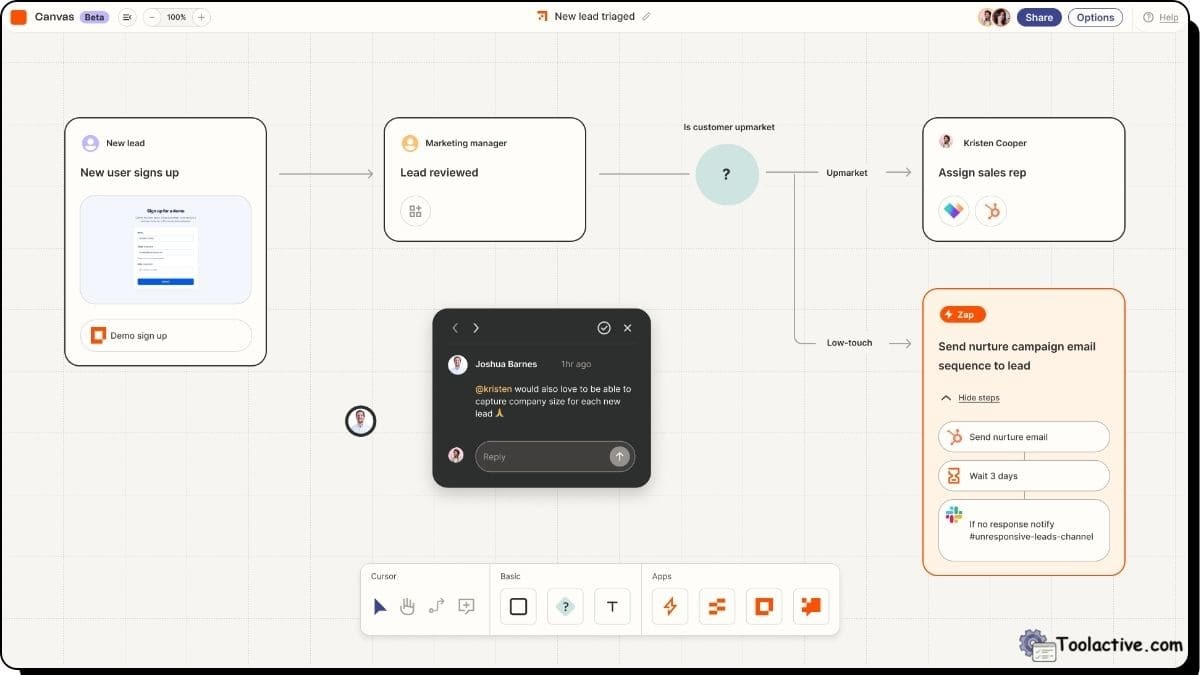
5.13 Zapier — Best Automation Software
Zapier automates thousands of apps with simple workflows.
AI Enhancements: AI workflow builder and automated logic.
Pros: Easy automation for non-technical users.
Cons: Can get expensive with volume.
Rating: 9.1/10
Pricing: Freemium.
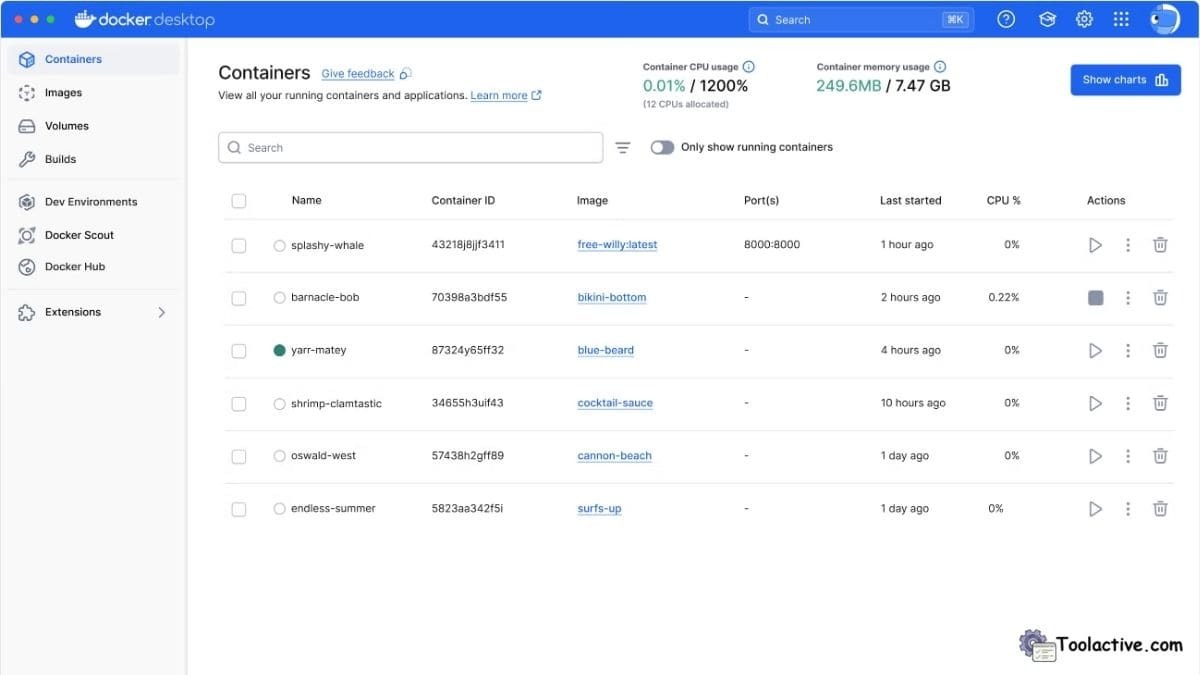
5.14 Docker — Best DevOps & Container Tool
Docker standardized containerization globally, enabling portable deployments.
AI Enhancements: Auto configuration, dependency insights.
Pros: Essential for DevOps pipelines.
Cons: Learning curve for beginners.
Rating: 9.5/10
Pricing: Free.
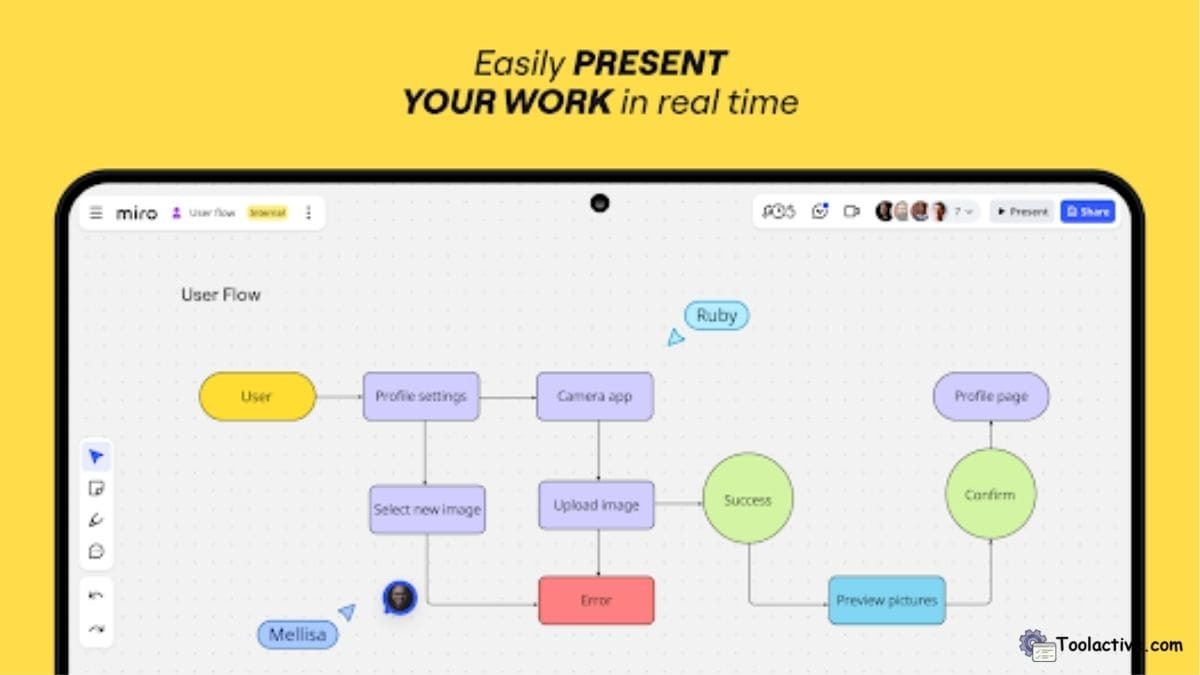
5.15 Miro — Best Whiteboarding & Collaboration Tool
Miro is excellent for ideation, planning, and visual collaboration.
AI Enhancements: Smart mapping, auto-summaries.
Pros: Smooth collaboration; perfect for brainstorming.
Cons: Boards can become cluttered.
Rating: 8.9/10
Pricing: Freemium.
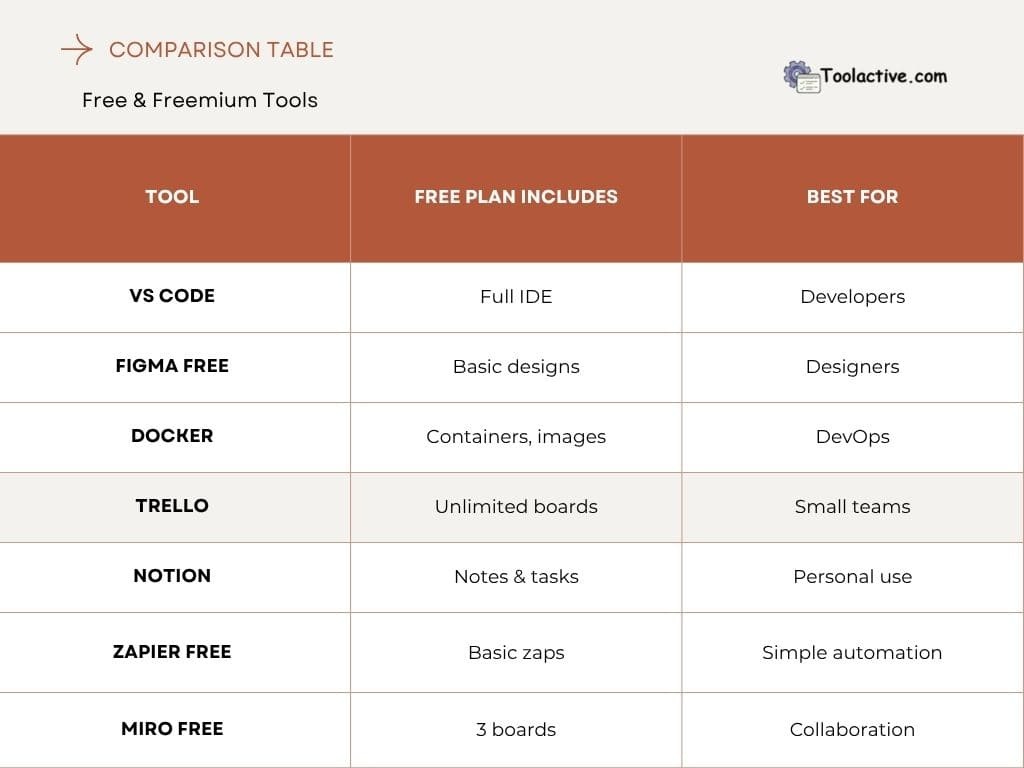
6. Free & Freemium Software Tools (Best Budget Options)
7. Best AI Tools by Use Case
7.1 AI-Driven Development
GitHub Copilot, JetBrains AI, VS Code AI extensions.
7.2 AI-Powered Project Management
ClickUp AI, Asana AI, Jira AI.
7.3 AI-Enhanced Collaboration
Slack AI, Notion AI, Miro AI.
7.4 Workflow Optimization
Zapier AI, Make.com, GitHub Actions + AI plugins.
7.5 Analytics & Insights
Tableau AI, Power BI Copilot, Amplitude AI.
8. How to Choose the Best Software for Your Team
The best approach is to map your workflow size, integration needs, and AI requirements. Solo users may prefer lightweight tools, while small teams need flexibility and multi-purpose platforms. Large enterprises often depend on deeper security and automation. Technical teams require coding and DevOps-focused tools, while non-technical teams benefit from ClickUp, Asana, and Notion.
9. Final Verdict (By Jason Miller, Toolactive)
Choosing the right stack from the best software tools is crucial for productivity in 2025, especially as AI becomes deeply integrated across all categories. This guide highlights the best software list, the most reliable best software for AI, and the top platforms every team should evaluate based on real testing.
At Toolactive, we continue researching and testing emerging platforms so you can make smarter, faster decisions backed by expert insights.
If you want to explore more support automation tools, you can check out our list of ai website assistant.
10. FAQ (SEO-Optimized)
What are the best software tools for teams in 2025?
The best software tools in 2025 include GitHub Copilot, ClickUp, Notion, Slack, Docker, and Figma. They offer strong AI features, reliable performance, and flexible integrations.
Which software is best for AI workflows?
GitHub Copilot is best for AI coding, ClickUp AI and Asana AI are best for project management, and Tableau AI is great for analytics. Your ideal choice depends on your workflow needs.
Are free software tools enough for professional work?
Yes. Tools like VS Code, Docker, Trello, and Notion offer powerful free plans. Paid upgrades are only needed for large teams or advanced features.
What tools should developers focus on first?
Start with VS Code or JetBrains IDEs for coding, Docker for DevOps, Postman for API testing, and GitHub Copilot for AI assistance.
Which tools improve productivity the most?
ClickUp AI, Notion AI, Slack AI, and Zapier automate common tasks, boost speed, and reduce manual work.
How do AI features help daily workflows?
AI simplifies work by generating text, predicting issues, summarizing content, improving code, and automating tasks.
What’s the difference between software tools and AI software?
Software tools perform core tasks. AI software adds automation, suggestions, and smart insights on top of those tasks.
How do I build the right software stack?
Choose one tool for each workflow area—coding, project management, communication, documentation, analytics, and automation. Start simple, then scale as your team grows.




.jpg)